News:
June 25, 2025
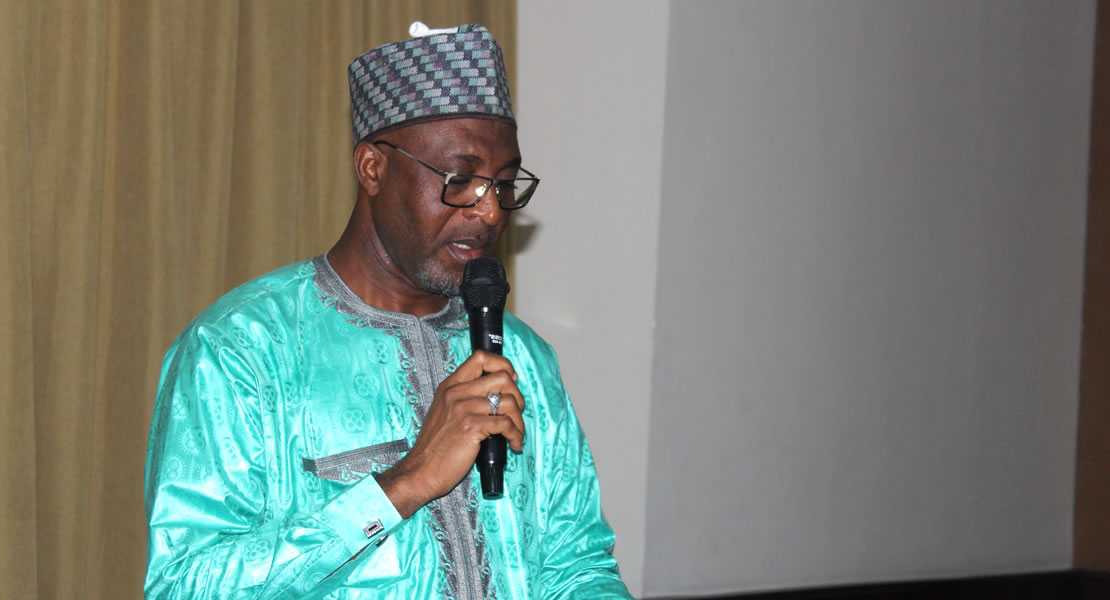
Ghana’s Minister of the Interior Mohammed Muntaka Mubarak has noted that in West Africa, digital identification has the potential of transforming and uplifting millions of ECOWAS citizens.
According to him it allows citizens, especially women, youth, and those living in remote and underserved communities to be seen, recognized, and included in the digital economies, governance structures and public services.
Hence the reason for West Africa Unique Identification for Regional Integration and Inclusion (WURI) programme; an enabler of social and economic development: one that presents the opportunity to ensure that everyone counts.
At the opening of a four day validation workshop organize by ECOWAS and the World Bank in Accra, he noted that from the rollout of Ghana’s National Identification System to engagements with regional and global partners on interoperability frameworks, the lessons we have gathered underscore a singular truth: digital identity is not just about technology – it is about people, trust, and the future we collectively seek to build.
The Ghana Card, which is the country’s flagship identification credential, is more than just a national ID – it is a powerful digital enabler. As of this year, over 17 million Ghanaians have been enrolled.
The card is integrated with major national systems, including the Social Security and National Insurance Trust, the Ghana Revenue Authority, and the National Health Insurance Scheme.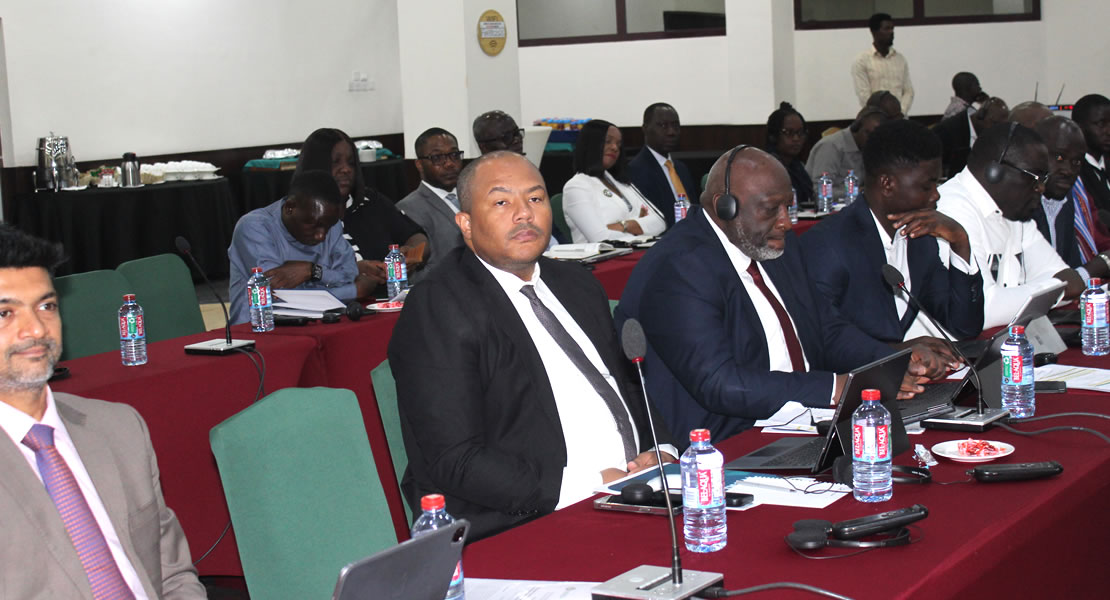
The Minister further added that, our region where cross-border trade, under the African Continental Free Trade Area (AfCFTA) is projected to generate $450 billion annually by 2035, and the ECOWAS Protocol of Free Movement of Persons, Rights of Entry, Residence and Establishment envisions a borderless region, interoperable ID systems are no longer optional — they are economic necessities.
This goes to say that WURI is a regional imperative. The programme’s ambition to provide unique identification to approximately 100 million people by 2028 is both commendable and necessary. It addresses the stark reality that over half of the ECOWAS population lacks official identification, a barrier that impedes access to essential services and economic opportunities. Having taken a bold step towards an interoperable digital identity framework, WURI embodies our collective aspiration for an interconnected West Africa.
To deliver on its promises, challenges must be addressed. Therefore, as they deliberate on interoperability frameworks, he proposed a few strategic priorities:
• Legal and regulatory frameworks strengthening by establishing clear guidelines for data sharing while safeguarding individual rights;
• Data privacy and security strengthening by addressing data sovereignty concerns and by ensuring that personal data is protected against misuse;
• Stakeholder engagement by involving citizens, private sector, and civil society in the design and implementation processes.
Again, the workshop offers a unique opportunity for stakeholders to validate the key strategies for interoperability across WURI participating countries and to accelerate ECOWAS vision 2050 underpinned by ECOWAS for the people, peace and prosperity for all.
Kwaku Sakyi-Danso/Ghanamps.com