News:
December 13, 2025
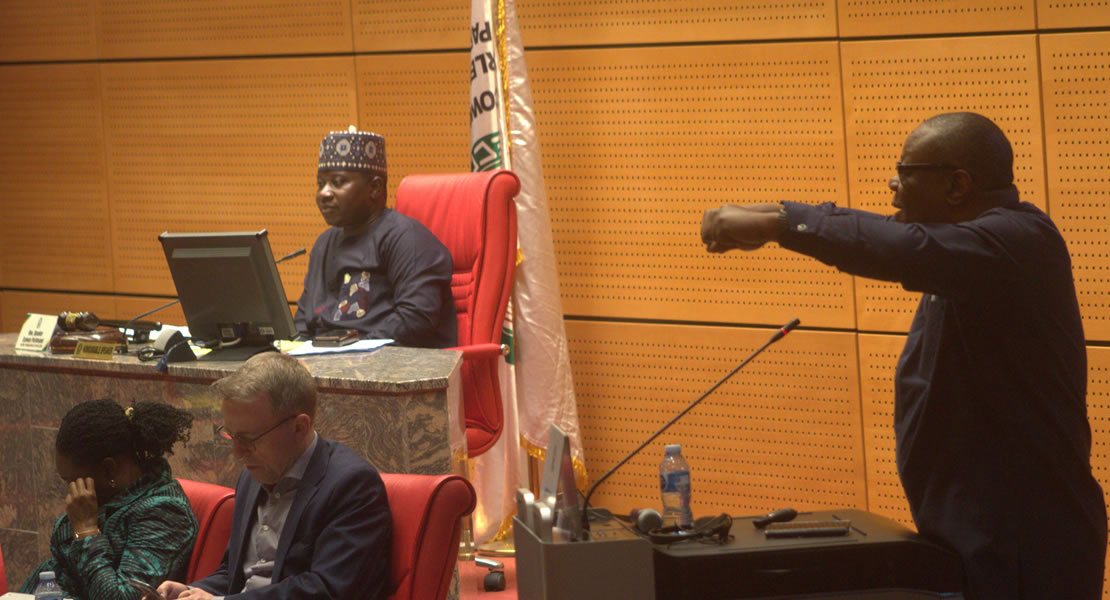
The Fourth Deputy Speaker of the ECOWAS Community Parliament, Billy G. Tunkara, has expressed deep concern over the Parliament’s persistent struggle to form a quorum during its Ordinary Sessions in Abuja, Nigeria.
He described it as “disheartening” that the Parliament, which flies MPs business class to attend two-week sessions, fails to consistently meet the required attendance of fifty-plus-one members. Given the critical developments in the sub-region, Tunkara emphasized that this should be motivation enough for members to be present and deliberate on important matters.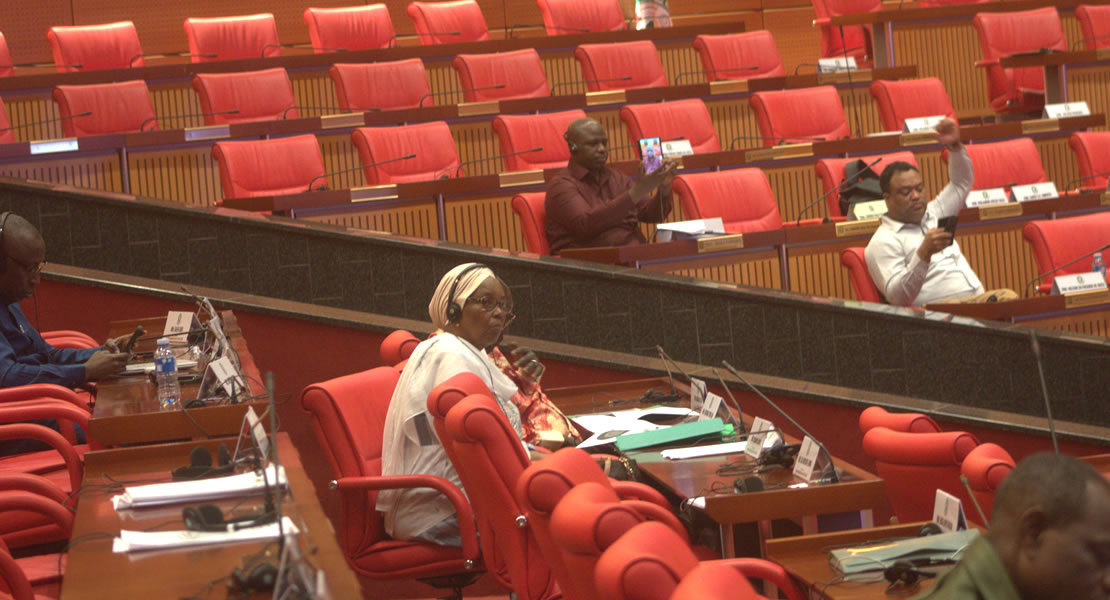
In an interview, he outlined the measures taken to facilitate attendance, noting that sittings run from 10:00 am to around 4:00 pm. “No matter how busy you are, you have the rest of the evening to yourself,” he stated. He added that buses are provided to pick up MPs from their hotels as early as 9:00 am to ensure a prompt start.
“The attitude of members is worrying,” Tunkara said, referencing the last Ordinary Session. “We are still talking to them, and I have advised the Speaker to engage the heads of delegations on punctuality. Community funds are used to bring them here from their various countries for this service.”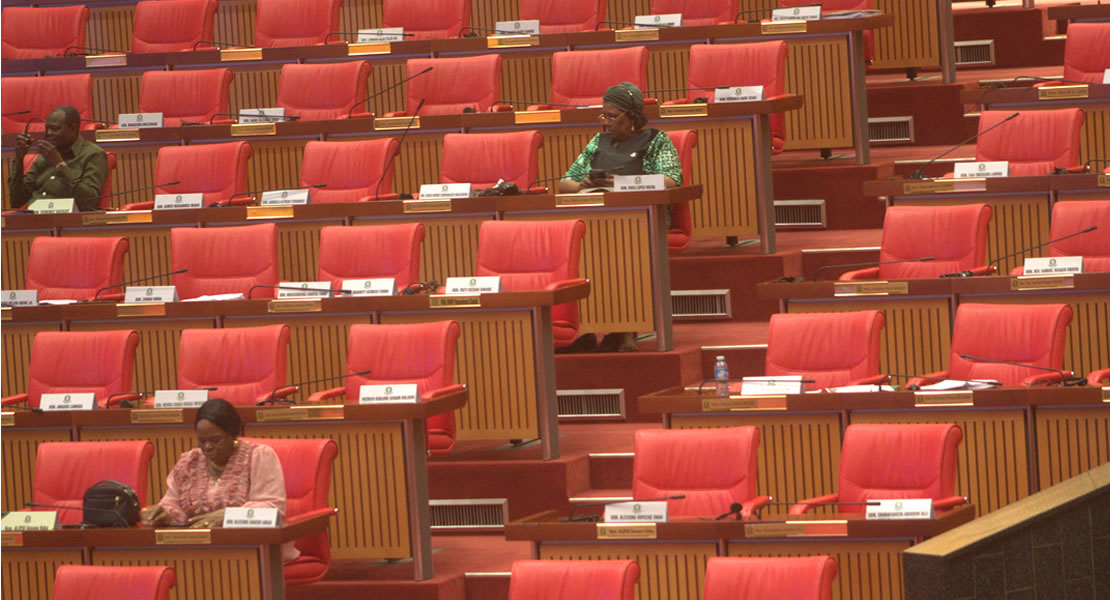
He stressed that MPs should not need to be begged to attend. “The whole idea of the ECOWAS Parliament is to offer committed individuals the opportunity to represent their people. The Speaker has spoken to the heads of delegation; it does not speak well of them as MPs. They should lift the flag of their countries high.”
Tunkara pointed out that unexplained absences are particularly unacceptable. “If you have a valid reason, one would understand. But if you are in your hotel room, having been paid an allowance, and do not come to the chamber, it does not speak well.”
To address the chronic issue, Tunkara revealed he was tasked with chairing a committee to review the rules of procedure, specifically to enforce the quorum requirement. The committee’s report has been adopted as a working document.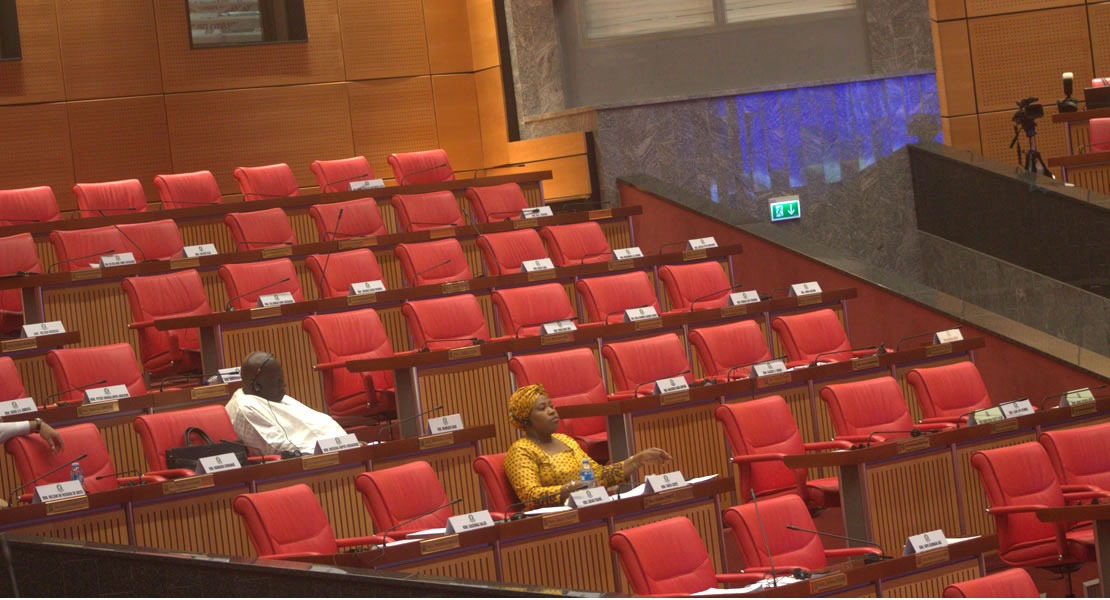
Despite these efforts and continued appeals to delegation heads, he lamented that there has been no change in attitude. He agreed that the proposed shift to direct elections for ECOWAS Parliament MPs could be a solution. “When there is direct representation, the issue of divided attention—between your national parliament and the ECOWAS Parliament—would be cut off. MPs could focus fully on their legislative functions in Abuja without the need to rush back home.”
Highlighting his own commitment, Tunkara noted, “In my case, I am the head of government business, and I must ensure all such business is conducted on the floor. My deputy holds the fort for me back home. We are all high officeholders in our national parliaments, but we are aware of the task and need to sacrifice for the Community Parliament.”
Commending the consistent delegations from Gambia, Senegal, Liberia, Guinea, and Cape Verde, Tunkara said their punctuality and commitment to staying through sessions were noteworthy. “I had to drive to their hotels to thank their delegation leaders. The Bureau appreciates them,” he concluded.
Kwaku Sakyi-Danso/Ghanamps.com