News:
February 28, 2026
A senior politician from Guinea-Bissau has cast serious doubt on the feasibility of the country’s proposed return to democratic rule, calling the scheduled December 2026 elections “impossible.”
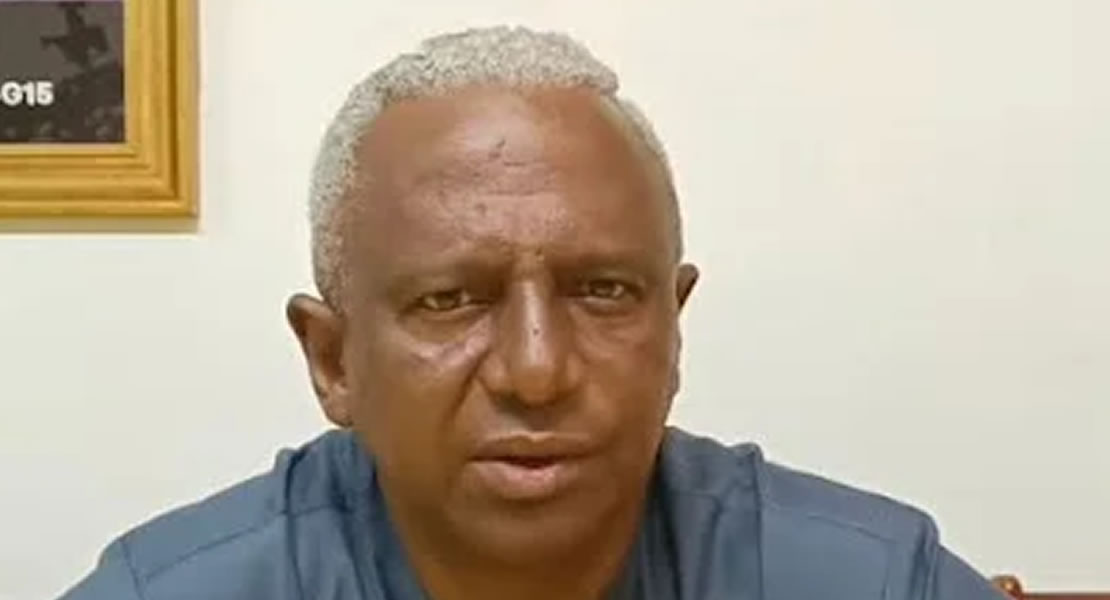
Manuel Irénio do Nascimento Lopes, a member of Guinea-Bissau’s delegation to the ECOWAS Community Parliament, stated that he would be shocked if the polls, slated for December 6, 2026, actually take place as planned.
The date was recently proposed by Major-General Horta Intaa, who led a military coup in the West African nation. While Lopes acknowledged the efforts of regional mediators, he remains deeply skeptical about a swift return to constitutional order.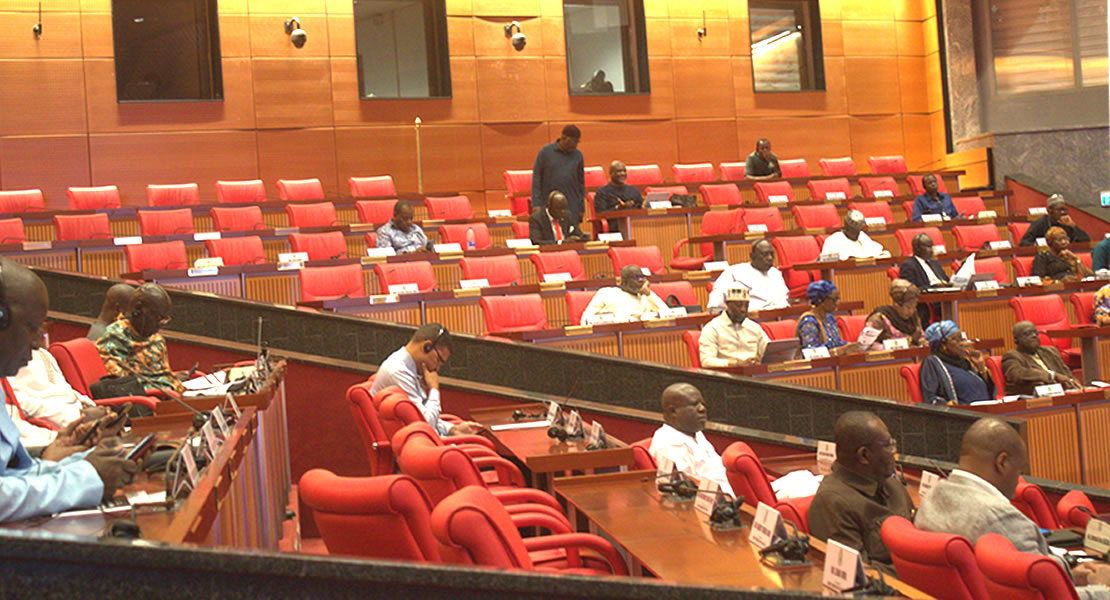
Praise for Mediation, But Deep Doubts at Home
Lopes commended the efforts of H. E. Julius Maada Bio, the Chairman of the Authority of Heads of State and Government of ECOWAS, for working to stabilize the country. However, he argued that the political dynamics on the ground make a 2026 election victory for democracy unlikely.
“I am saying this because of my knowledge of the system back home,” Lopes explained in an interview on the sidelines of the recent ECOWAS Parliament session. “When you have people trying to grab the best part of the cake, you have to understand that the overthrow of the government was not done by the military alone—we have civilians behind it.”
Drawing on his personal background, Lopes added, “As the son of a general in the army, I can stand on the side of military officers who are loyal to the state. But I cannot count on those who are loyal to the coup. So I say once again: returning to democratic rule by holding elections on December 6, 2026, will be very tough.”
Questions Over ECOWAS’ Role and “Transparency”
When asked if he believed ECOWAS intervention could still yield positive results, Lopes expressed frustration with the bloc’s approach, suggesting a lack of consistency.
“We have a big issue in this sub-regional bloc, and the issue is transparency,” he lamented. “Our heads of state need to take action and conduct themselves the way we do in the Community Parliament. Otherwise, they are creating the impression that they are turning the bloc into a tool for nepotism.”
He emphasized the need for equal treatment of all member states. “The rules are well spelt out. They are in black and white from A to Z. My worry is that we should not have separate rules for one member state and different rules for another.”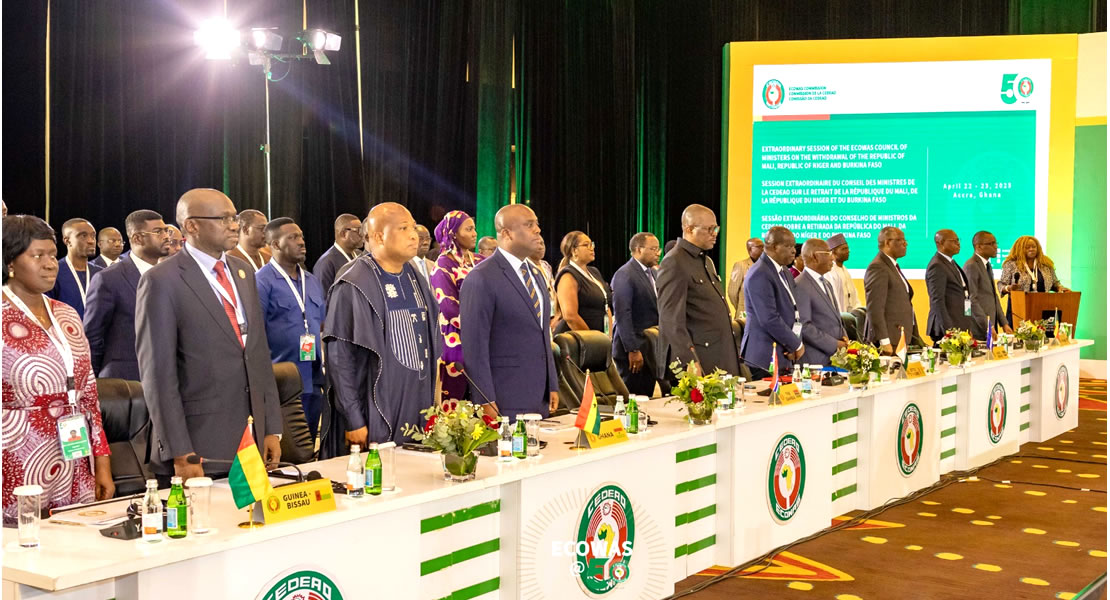
A Dire Prediction for the Former President
Lopes was also unequivocal about the political future of Umaro Sissoco Embaló, stating flatly, “I can tell you, Umaro Sissoco Embaló will never be president of Guinea-Bissau again. What he has done to the citizens of Guinea-Bissau… they do not deserve this treatment.”
A Call for Decisive Action
Contrasting the regional response in Guinea-Bissau with other situations, Lopes pointed to the perceived inaction of ECOWAS forces already stationed in the country.
During a parliamentary seminar in Abuja, Nigeria, a colleague raised the issue of ECOWAS troops in The Gambia. “We have the same troops in Guinea-Bissau,” Lopes noted. “What are they doing there, given the way things are going on? Look at the case of the Benin Republic. When there was an attempted coup there, we saw the swiftness of the regional reaction. Compare that to the case of Guinea-Bissau.”
He concluded with a stark warning for the regional body: “We are all members of ECOWAS. But in the case of Guinea-Bissau, it has become like an empty plastic bag for me. ECOWAS must take a decision on Guinea-Bissau.”
Kwaku Sakyi-Danso/Ghanamps.com