News:
March 7, 2026
As the ECOWAS Parliament looks toward its future, a senior official is championing a major institutional reform to tackle long-standing issues of absenteeism and poor attendance.
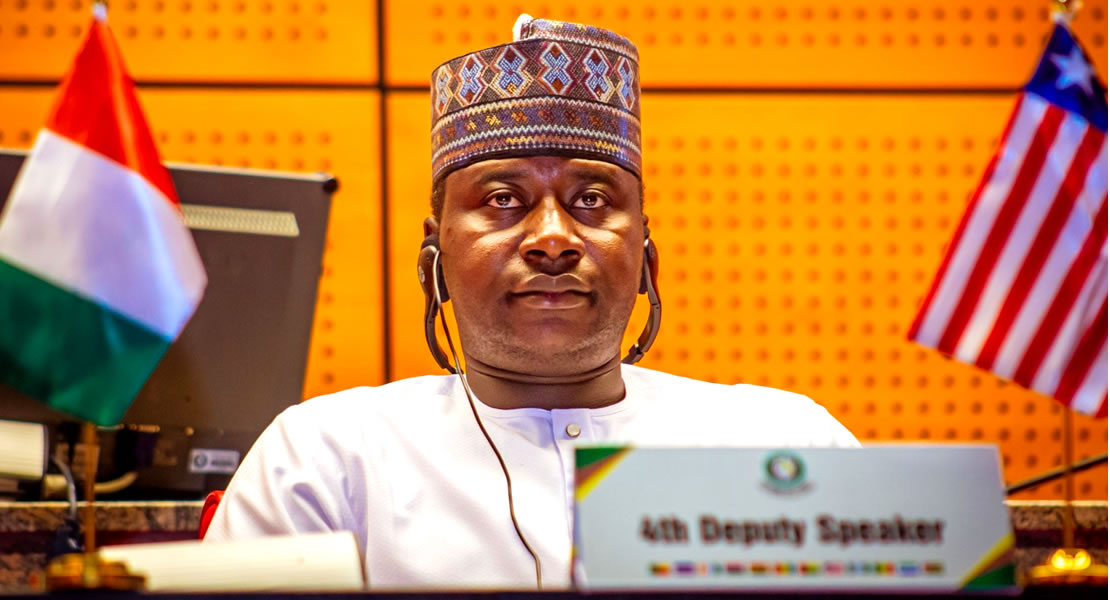
Fourth Deputy Speaker of the ECOWAS Parliament and Majority Leader of the Gambian National Assembly, Hon. Billy G. Tunkara, has strongly advocated for the direct election of lawmakers dedicated solely to the sub-regional body. He argues that this is the essential step to boosting interest and curbing the struggle to meet quorum in the Sixth Legislature and beyond.
Currently, most members of the ECOWAS Parliament are also officeholders in their respective national assemblies, creating a significant conflict of responsibilities.
“In my case, for instance, I am the Majority Leader for the Gambian National Assembly, and no matter the situation, I try to strike the balance. This is the responsibility I have signed for,” Hon. Tunkara explained in an interview. “I have taken an oath to execute my duties without fear or favor. Until the ECOWAS Parliament evolves to have its lawmakers elected directly with a clear mandate to reside in Abuja, we will continue to struggle.”
Hon. Tunkara emphasized that the current structure, which requires flying MPs to Nigeria two or three times a year for Ordinary and Extraordinary Sessions, is inefficient. He believes direct election would create a class of dedicated legislators resident at the Parliament’s headquarters, fundamentally resolving issues of attendance and engagement.
“If we have that in place, then the issue of quorum would be addressed. If you are resident here, dedicated to the Community Parliament job, you address the absenteeism the parliament is facing,” he stated. He added that beyond structural changes, an “attitudinal change” is also required from lawmakers.
Speaking on the sidelines of the First 2024 Extraordinary Session, Hon. Tunkara also touched on the Parliament’s critical advocacy role regarding the African Continental Free Trade Area (AfCFTA). He noted that while member states have ratified the agreement, the focus must now shift to implementation.
“This is an open market; you are having access to a 1.3 billion population. That is not a small market, and no nation should be left behind,” he said. He stressed the need for ECOWAS to create an enabling environment through improved road infrastructure and harmonized trade customs policies. “This is for the development and eradication of poverty in the system. We need to ensure goods can flow freely and that we can enjoy the benefits of tariff reductions.”
Kwaku Sakyi-Danso/Ghanamps.com