News:
March 13, 2026
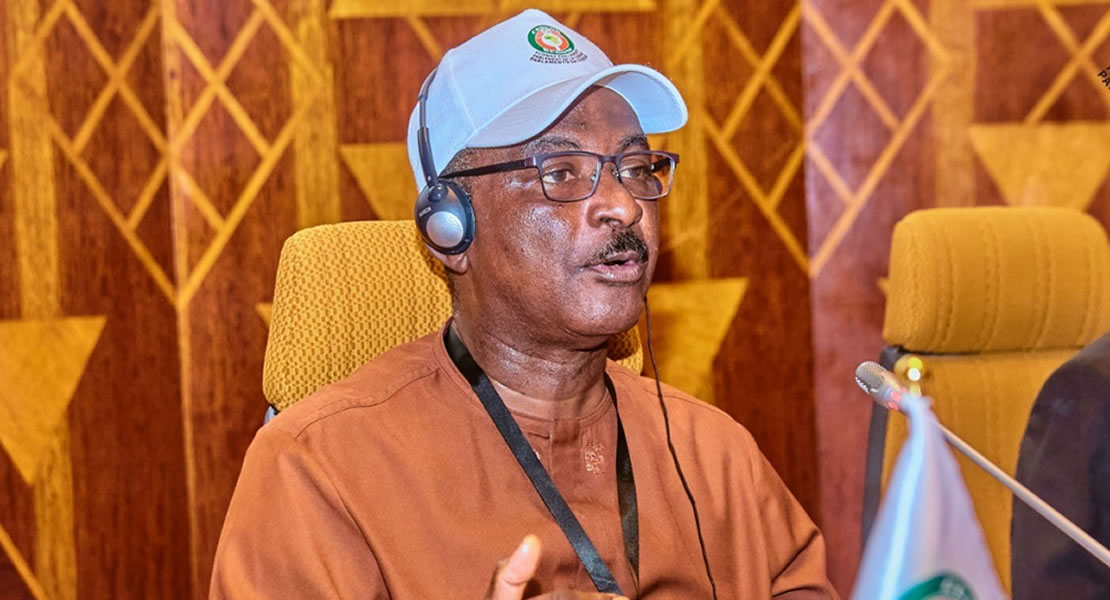
The Chairman of the ECOWAS Parliament’s Committee on Education, Science, and Culture is calling for an urgent and radical realignment of educational curricula across West Africa, warning that the current system is producing graduates who are unfit for the job market.
George Kweku Ricketts-Hagan made the remarks on the sidelines of the ongoing joint delocalised meeting in Lomé, Togo. The meeting, now in its third day (Thursday, March 12, 2026), is being held under the theme, “Strengthening curriculum alignment with socio-economic needs of the ECOWAS Region.”
The Disconnect: Theory Over Skills
Ricketts-Hagan argued that university courses are not designed to equip students who are also community members with the specific skills that industries require.
“We are not producing the workforce that industries need,” Ricketts-Hagan stated. “We need to re-design our whole curricular so that when people go to the university or tertiary institutions, they can read courses that are relevant to the job market in an African context.”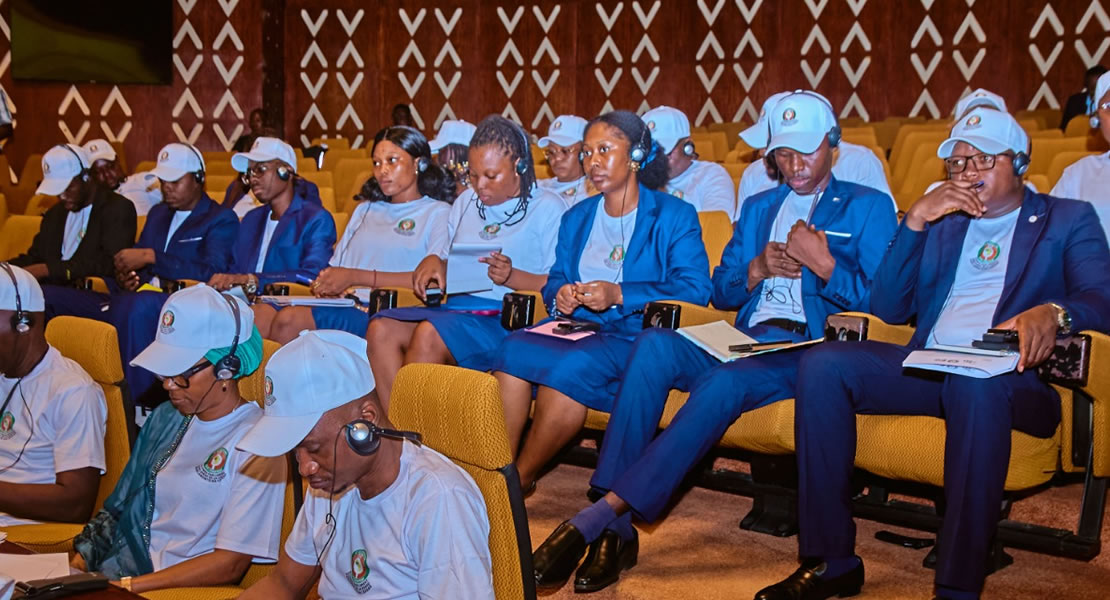
He emphasized that this misalignment is a continent-wide issue, but particularly acute within the West African sub-region. “For us, we are trying to look at doing that realignment to make education relevant and improve productivity at the workplace, which will help grow the economies of our member states,” he added.
From Talk to Action: The Implementation Gap
When asked about the common trend of excellent ideas being proposed by MPs that never materialize, Ricketts-Hagan was candid about the region’s struggle with execution.
“Implementation is our problem,” he admitted. “We make very good laws and policies, but if they are not implemented, they do not do you any good. From the various presentations, what the presenters have made clear is that there is too much theory in the sub-region without much practicality.”
He stressed the need to bridge the gap between theoretical knowledge and real-world application. “We need to look at the practical ways of the theories. We have to make education beneficial for the work place. That is the reason why we are here: how do we ‘practicalise’ the base?”
Fostering Entrepreneurs, Not Just Employees
Ricketts-Hagan pointed to entrepreneurship education as a key area for reform, suggesting that students should be trained to become job creators rather than just job seekers.
“For example, we were given a presentation about entrepreneurship. How can you practicalise what we are learning as students? You learn to create your own business. You are not learning to become an employee of someone, but rather to become an employer yourself creating a business where other students would come and work.”
Starting Early: Lessons from Abroad
The Parliamentarian also stressed that vocational and entrepreneurial training cannot wait until the university level. He argued that West Africa must look to global examples to instill these skills from a young age.
“I think what we have done that has not helped us is that we have delayed in introducing our students to what they should know from the onset,” he said. “When you go to Japan, China, or the United States, their kids have started from the very beginning. You see children being introduced to gadgets that will take you to space at a very young age. You are conscientized with the possibilities of what you can do. You don’t wait until you get to the university before you start thinking about something.”
Drawing from personal experience, he recounted: “When I went to the university to study Mathematics and Computer Science, there were people there who had never seen a computer before. To find a computer while you were doing a degree was a problem. That is why we need to start some of these things very early in the secondary schools and much below. Introduce people to entrepreneurship and these concepts. You are not too young to learn, so that you grow with it and it becomes your nature.”
Kwaku Sakyi-Danos/Ghanamps.cm