News:
April 24, 2026
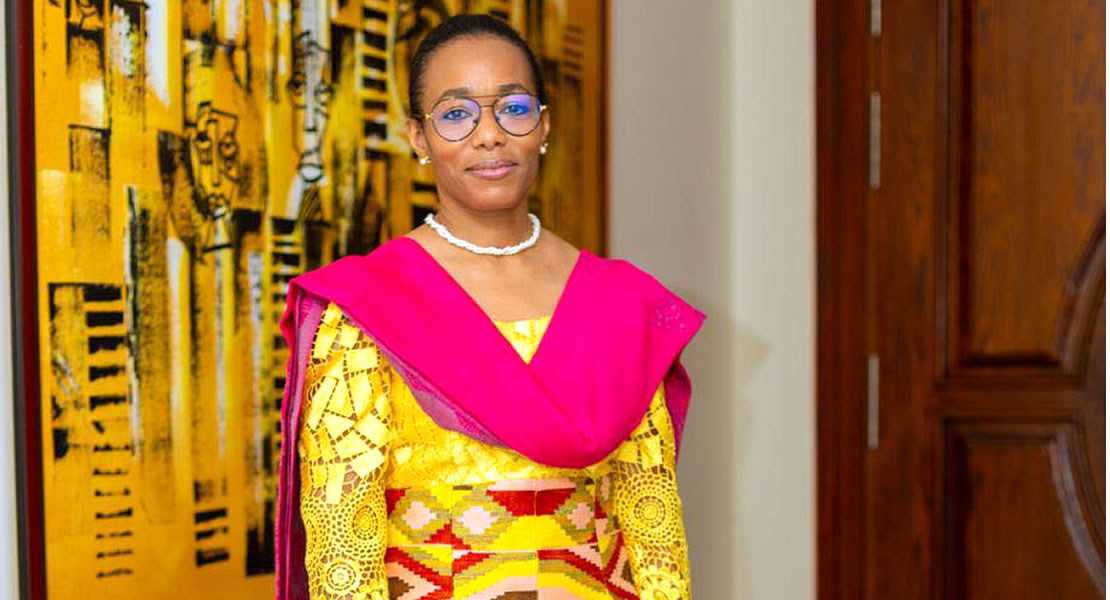
Dr. Zanetor Agyeman-Rawlings, the Member of Parliament for Klottey Korle, has thrown her support behind the government’s Free Primary Healthcare initiative, calling it a vital step toward reaching the country’s most vulnerable populations.
Speaking about the program—which recently saw the distribution of tricycles and motorbikes to aid healthcare personnel—the MP acknowledged Ghana’s ongoing infrastructure challenges.
“The reality is, we still have challenges as far as our road network is concerned within the country, and health can’t wait while you put your infrastructure in place in terms of road access,” she said.
Pragmatism over perfection
Dr. Zanetor stressed that in many hard-to-reach areas, motorcycles are the only viable means of transport. “There are certain areas that you can only reach by motorbike—that is the reality,” she explained.
She added that the initiative is simply being realistic about access. “We’re trying to ensure that people are not being deprived of the opportunity for healthcare because the areas they reside in are inaccessible to the economic traffic. You have to be pragmatic when it comes to the delivery of healthcare.”
Long-term goal: better roads and local facilities
While praising the current approach, the MP made it clear that the ultimate goal remains the improvement of road networks.
“This is definitely the right path, but the ultimate goal is to be able to open up the road networks so that access is not an issue,” she said.
She also highlighted the importance of the Community-based Health Planning and Service (CHPS) compound concept, which aims to place health facilities within easy reach of every community.
“Within a specific jurisdiction, you need access to health facilities. That’s what the CHPS concept is all about—so that people can easily access healthcare services,” Dr. Zanetor concluded.
About Ghana’s Free Primary Healthcare programme
* Full rollout: The Free Primary Healthcare (FPHC) programme has launched in 150 underserved districts, with full nationwide coverage expected by 2028.
* Three‑tier system: The policy works on three levels — free primary care at community facilities, the existing NHIS for district hospital referrals, and the Mahama Cares fund to cover advanced care for chronic conditions.
* No NHIS card needed: At CHPS compounds, health centres and polyclinics, residents need only a Ghana Card or any valid ID to receive free screenings, basic diagnosis and essential medicines.
* What’s covered: Services include routine screenings for hypertension, diabetes and cancer, maternal and child healthcare, immunisations, and treatment of common illnesses such as malaria and respiratory infections.
* Major investment: The government has procured over 24,000 pieces of essential medical equipment — including incubators, diagnostic tools, hospital beds and ultrasound machines — to strengthen primary‑level care.
Ghanamps.com