News:
April 25, 2026
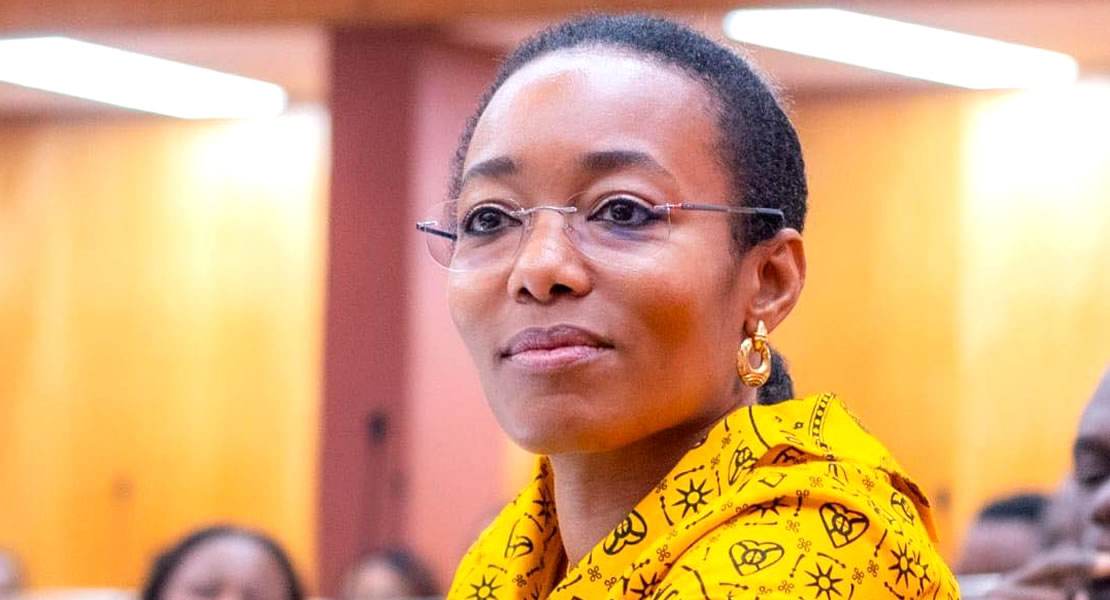
Dr. Zanetor Agyeman-Rawlings, Member of Parliament for Klottey Korle and a member of the Pan-African Parliament, has condemned the recent wave of xenophobic attacks targeting Ghanaians and other African nationals in South Africa, calling for a renewed awareness of the continent’s shared liberation history.
“I think this issue with xenophobia in South Africa is very disturbing. It is actually very unfortunate and quite tragic because once upon a time when the people of South Africa were being oppressed under the system of apartheid, the whole of Africa gathered together to support them,” the lawmaker said.
She emphasized that Ghana played a pivotal role by providing resources, citizenship, passports, and education to South African freedom fighters “all at the expense of the people of Ghana” and willingly, because they were seen as brothers and sisters in a shared struggle.
Noting that the attacks had previously targeted Nigerians and now Ghanaians, Dr. Agyeman-Rawlings described the violence as “in bad form” and expressed sadness that some direct beneficiaries of Ghana’s support are still alive today.
“To have a generation that seems to have forgotten the importance of the impact that Ghana made in the trajectory of South Africa’s current destiny post-apartheid, is really sad,” she said, adding that it may be time to remind people of the struggle for independence and those who fought for it.
Addressing potential economic grievances
She suggested that if the issue concerns Ghanaians or other Africans “taking jobs,” the root causes should be discussed openly. “Is it a case of people not wanting to take up those jobs and a matter of only foreigners willing to take those jobs?” she asked.
Dr. Agyeman-Rawlings stressed that the South African government has a moral obligation to engage its citizens, noting that South Africans live and work in Ghana and across the continent, warning against retaliatory actions in other countries.
The MP also pointed out that the Pan-African Parliament is based in South Africa, stating, “That is supposed to mean something.” She warned that continued violence could lead to discussions at the African Union level about relocating the Parliament. “I am sure that the people of South Africa would not be happy to know that these actions have led to such a decision – for an African Parliament to be relocated,” she said, cautioning that anyone who is not South African could become a target.
Economic Consequences
Warning of economic consequences, Dr. Agyeman-Rawlings noted that a survey might reveal that a large number of South Africa’s workforce supporting the economy are not South African, and making foreigners feel unsafe could trigger an exodus with damaging effects.
“In a time when there is so much conflict around the world, is this a time for Africans to be fighting each other? I do not think so,” she said, calling for dialogue.
She also highlighted the Pan-African Parliament’s potential as a platform for building bridges and strengthening parliamentary democracy, urging reflection on “what is working, what is not” to make the institution more effective.
Dominic Shirimori/Kwaku Sakyi-Danso/Ghanamps.com