News:
July 31, 2026
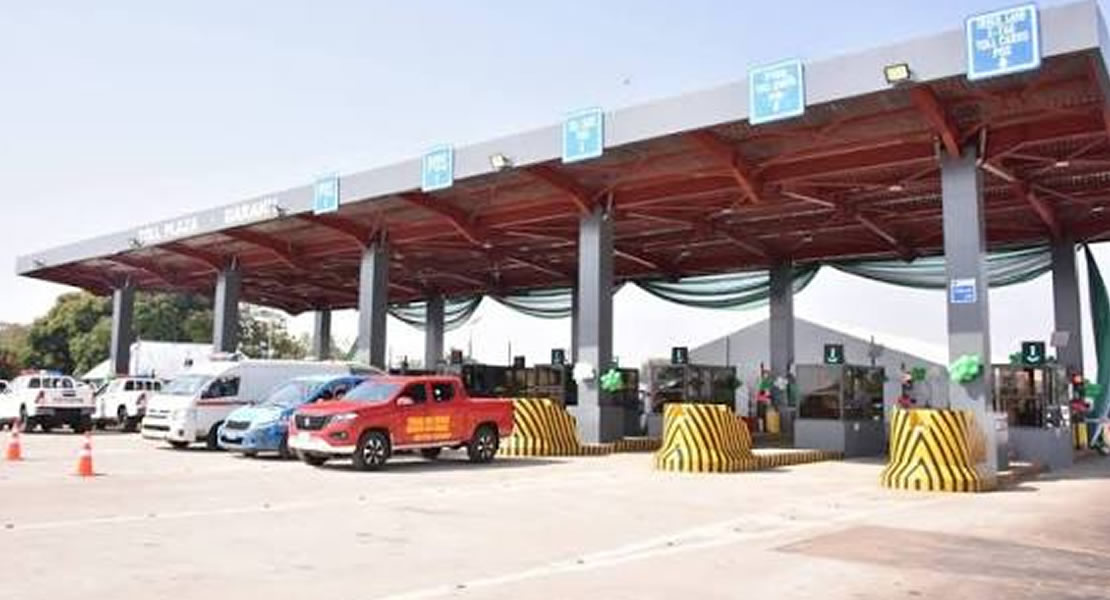
* Ghana’s roads will soon see the return of toll collection—but this time, it’ll be electronic.
Parliament has given the green light to a concession agreement between the Ministry of Roads and Highways and a Special Purpose Vehicle (SPV) to be established by Rock Africa Limited. The deal reintroduces road and bridge tolls through a modern electronic system under a Public-Private Partnership (PPP) arrangement.
This marks the end of the toll-free era that began in 2021 when the previous government abolished the fees.
Why the change?
The new agreement paves the way for private sector involvement in financing, developing, operating, and maintaining an electronic road toll collection system nationwide.
But the decision hasn’t come without debate.
Parliament divided
During parliamentary discussions, Members of Parliament expressed mixed views on both the return of tolls and the proposed concession arrangement.
Former Defence Minister and Bimbilla MP Dominic Nitiwul stepped up to defend the 2021 abolition, explaining it was a response to the economic climate at the time.
“We abolished the road tolls for one simple reason. We did not want to burden Ghanaians with both the e-levy and the road tolls. Basically, that was the reason.”
The Akufo-Addo administration had made the call to ease financial pressure on citizens while also tackling congestion caused by manual toll collection.
But Nitiwul supports the new system
Despite defending the earlier decision, Nitiwul threw his weight behind the electronic approach, calling it a more efficient and convenient solution.
“If the government decides that they will bring the road tolls, but it will be electronic, like what I have seen in South Africa, I think that I will support it,” he said.
He highlighted key benefits:
· No more queues at toll booths
· Improved traffic flow
· Simpler payments for motorists
“If it’s electronic and it’s 20 years, I think it’s a good deal that Ghanaians should take. Because you will not even realise that there are road tolls. You pass, there will be a beep, and then you go; at the end of the month, they bring you a bill, and then you pay,” he explained.
What happens next?
The agreement now moves forward, with the electronic tolling system expected to provide a sustainable mechanism for financing road infrastructure while improving the user experience for Ghanaian motorists.
Ghanamps.com