News:
October 16, 2026
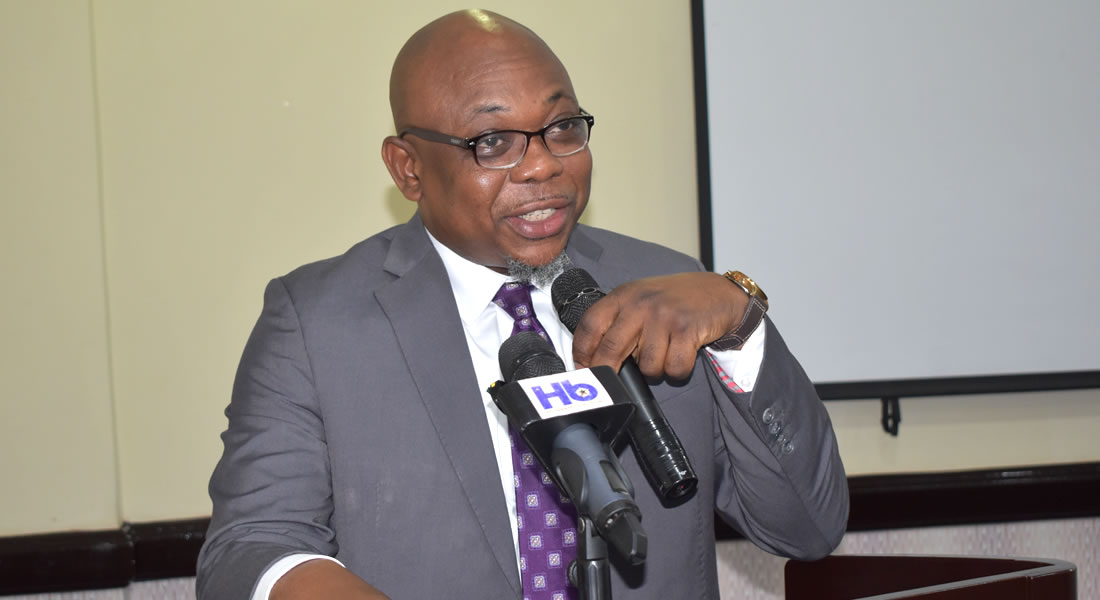
Majority Leader and MP for Builsa North, Mr James Agalga, has urged journalists covering Parliament to promote accurate, balanced and comprehensive reporting, stressing that efforts to enhance the legislature’s image must not undermine media independence.
He said the media played a critical role in shaping public understanding of Parliament’s work, making accuracy, fairness and responsible journalism essential to strengthening public confidence in the institution.
Mr Agalga made the call on Thursday, October 15, 2026, at a two-day professional development workshop for members of the Parliamentary Press Corps at AH Hotel in Accra.
The workshop, sponsored by Parliament, was held under the theme “Enhancing the Image of Parliament through the Media: Expectations of the Majority Caucus.”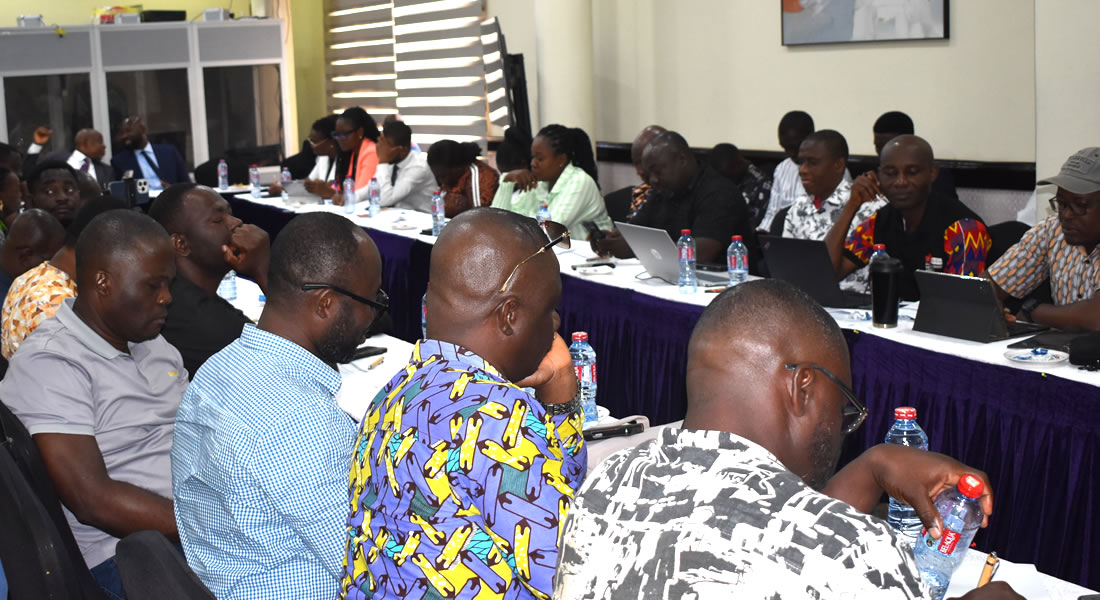
Media central to public understanding
Addressing the journalists, the Majority Leader emphasised that the media remained central to how Ghanaians understood Parliament’s work, given that most citizens would never witness parliamentary proceedings in person.
“You cannot understand Parliament without the media,” he said, adding that journalists’ reports often served as the primary source through which citizens assessed the performance of their elected representatives.
Mr Agalga acknowledged public concerns about Parliament’s performance, noting that some citizens perceived the institution as slow, partisan, ineffective in oversight and disconnected from the needs of the people.
While admitting that some criticisms were justified, he said others could arise from incomplete information about parliamentary procedures and the extensive work done behind the scenes.
He noted that the detailed scrutiny of bills by parliamentary committees, public hearings and efforts to build consensus often received less media attention than heated exchanges on the floor of the House.
He therefore urged journalists to look beyond political confrontations and soundbites to report the substantive work of Parliament, including committee deliberations, legislative scrutiny and oversight activities.
“The Majority Caucus is not asking you to be our PR desk. We are asking for fair, accurate and complete portrayal,” he stressed.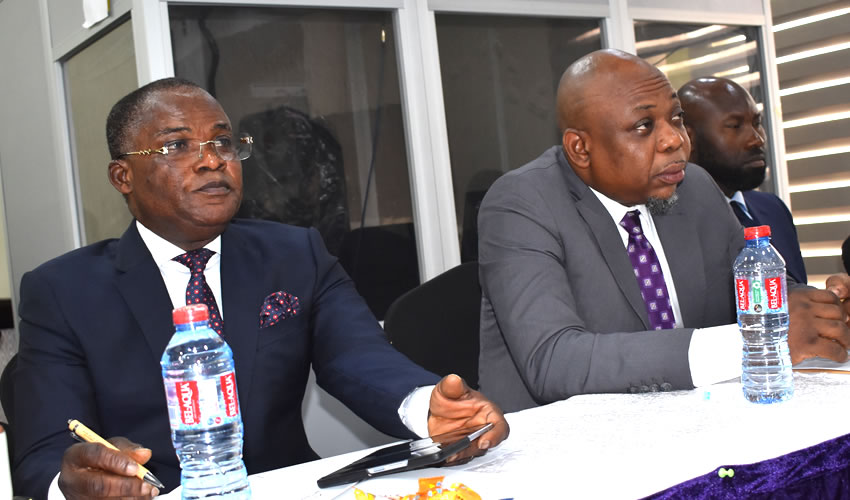
Verify before publishing
The Majority Leader also underscored the importance of verifying information before publication, urging journalists to consult official parliamentary records, including the Order Paper, Votes and Proceedings, and Hansard, to ensure their reports accurately reflected proceedings and decisions.
He cautioned against misrepresenting parliamentary procedures, explaining that a bill’s second reading did not mean it had been passed into law, and that a committee report remained a recommendation until adopted by the House.
Mr Agalga further called for balanced reporting that reflected the substance of parliamentary debates, gave relevant parties the opportunity to respond and avoided reducing complex legislative issues to political soundbites.
He urged members of the Parliamentary Press Corps to safeguard their professional independence, insisting that journalists must remain objective even when reporting on the Majority Caucus.
“We don’t want applause. We want honesty and truth,” he said.
He also charged journalists to take a leading role in combating misinformation by verifying videos, quotations and AI-generated content before sharing them with the public.
Openness, not applause
In return, Mr Agalga pledged the Majority Caucus’s commitment to greater openness, timely access to information, engagement with journalists, respect for press freedom and constructive responses to media scrutiny.
He said criticism should be treated as an opportunity for institutional improvement rather than an attack on Parliament.
“Enhancing Parliament’s image does not mean silencing criticism. A good image is built on a real reputation,” he said.
“If you expose a failing and we fix it, Parliament’s image improves. Better to be known as an institution that listens and reforms than one that denies and defends,” he added.
To strengthen collaboration between Parliament and the media, the Majority Leader proposed regular engagements between parliamentary leadership and the Press Corps, continuous training on legislative processes, a clear channel for fact-checking parliamentary information, and joint civic education initiatives.
He maintained that Parliament and the media shared a common responsibility to serve the interests of the Ghanaian people, calling for a professional relationship grounded in transparency, accountability and mutual respect.
Mr Agalga commended the Parliamentary Press Corps and Parliament’s Media Relations Department for their continued work in informing the public about legislative proceedings and parliamentary activities.
The two-day workshop forms part of efforts to strengthen the professional capacity of journalists covering Parliament and improve public understanding of the legislature’s role in Ghana’s democratic governance.
Ghanamps.com