News:
November 11, 2026
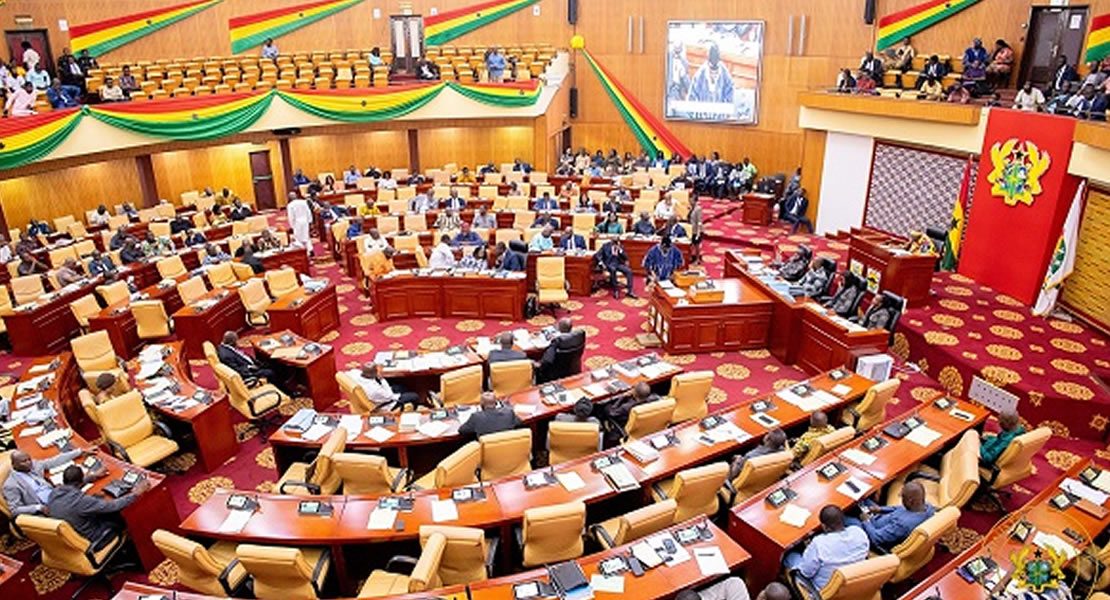
Ghana is set to unveil a major economic transformation agenda, with Finance Minister Dr. Cassiel Ato Forson scheduled to present the 2027 Budget Statement to Parliament on Thursday, November 12, 2026 .
At the heart of this budget is the “New Economy” policy—a four-year programme designed to move the country beyond economic stabilization and into an era of sustainable job creation and industrial growth .
What the ‘New Economy’ Promotes
The policy represents a fundamental shift in Ghana’s economic model. After years of focusing on macroeconomic recovery, the government now aims to translate those gains into tangible improvements in people’s lives .
The core objective is to create decent, sustainable jobs, particularly for the youth, rather than relying on temporary employment schemes . It promotes a move away from exporting raw materials toward local production, value addition, and private-sector-led growth .
Focus Areas and Key Sectors
The initiative is targeting nine key pillars of the economy that have high potential for job creation . These priority sectors include:
· Agriculture and Agribusiness: Focused on improving productivity, increasing farmer incomes, and promoting local processing .
· Textiles and Garments: A sector highlighted for its potential to expand business activity and employment .
· Pharmaceuticals, Tourism, and Manufacturing: Aimed at diversifying the productive base and reducing reliance on imports .
· Other Sectors: Also includes commercial agriculture and hospitality .
A key goal is to encourage Ghanaian businesses to take advantage of the African Continental Free Trade Area (AfCFTA) and integrate into regional and international value chains .
The Amount Involved
· About $10 billion is the expected amount to be disbursed at $2 billion annually over the four-year period from 2027 to 2030 .
Funding Strategy: No New Borrowing
A crucial feature of the New Economy is that it will be financed without contracting new loans . Instead, it will rely on domestic revenue and savings from fiscal consolidation . The funding model involves:
· Allocating an annual amount equivalent to 1.5% of Ghana’s GDP to the programme .
· Sourcing 0.5% of GDP from government revenue .
· Creating fiscal space by reducing the primary surplus target from 1.5% to 0.5% of GDP, which allows more room for investment while keeping public debt on a declining path .
The government maintains its commitment to reducing public debt to 45% of GDP by 2028 .
Economic Context
The policy builds on Ghana’s recent economic recovery. The country recorded a primary surplus of 2.5% of GDP in 2025 and expects a surplus of 1.5% in 2026 . With economic growth and declining inflation, the government believes the time is right to shift from stabilization to productive investment .
The presentation of the 2027 Budget on November 12 is expected to provide the full details, including the specific implementation plan, sector-by-sector breakdown, and financing arrangements for the New Economy programme . If successful, the policy could mark a significant turning point in Ghana’s economic trajectory, aiming to build an economy that consistently generates employment and prosperity for its citizens .
Dominic Shirimori/Ghanamps.com