News:
February 4, 2026
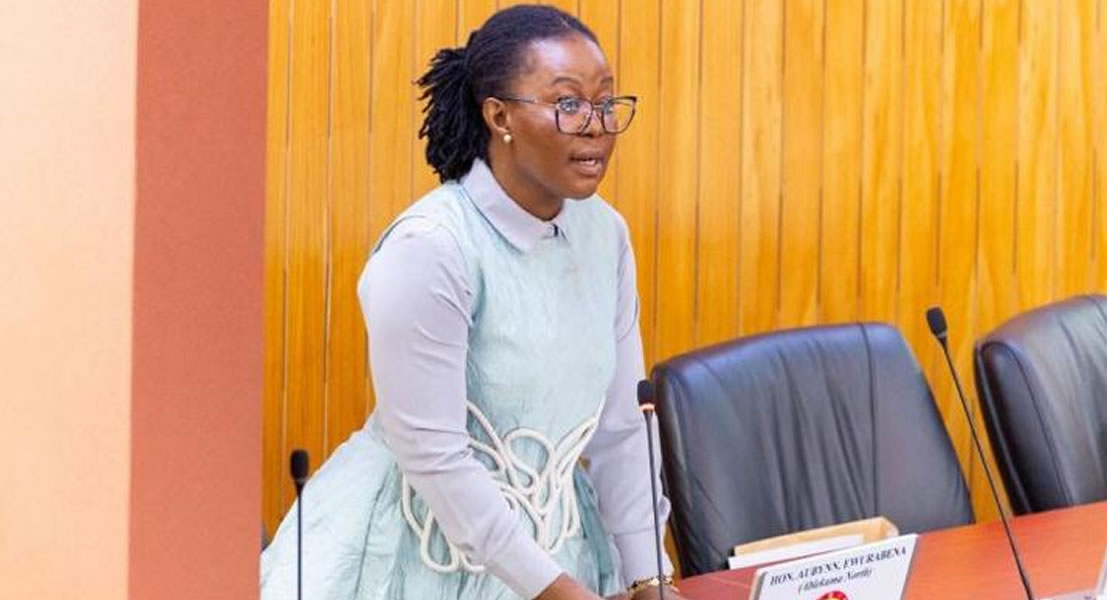
The Member of Parliament for Ablekuma North, Ewurabena Aubynn, has issued a stark warning, urging the government and Parliament to treat the rising cancer burden not just as a health issue, but as a critical threat to Ghana’s economic growth and social stability.
Marking World Cancer Day 2026 with a parliamentary statement, Hon. Aubynn highlighted the disease’s far-reaching consequences, including spiraling poverty, lost livelihoods, and immense strain on public resources.
“Cancer does not only threaten lives; it also pushes families into poverty and deepens inequality,” she stated.
The Scale of the Crisis
Citing data from health authorities, she revealed Ghana records over 24,000 new cancer cases annually, with breast, cervical, prostate, liver, and colorectal cancers being the most common. The disease, she stressed, now affects all ages and income levels and “can no longer be regarded as rare or distant.”
A major concern is late diagnosis. “Many of these cases are diagnosed at advanced stages due to limited access to screening services, high costs, and low public awareness,” she noted, making treatment harder and less effective.
Families Pushed to the Brink
Drawing from her constituency, Hon. Aubynn shared that more families are buckling under the emotional and financial strain. “Some households [are] selling assets or abandoning treatment altogether because of cost,” she observed. The economic toll extends nationwide through reduced productivity, increased healthcare spending, and the loss of skilled workers.
Gaps in the Response
While acknowledging efforts to expand screening and establish oncology centers at major teaching hospitals, the MP argued these measures are “inadequate” against the growing crisis, especially in rural areas.
She pinpointed financing as the most critical challenge, with chemotherapy, radiotherapy, and surgery remaining unaffordable for most. The limited coverage of cancer services under the National Health Insurance Scheme (NHIS) was described as a “major barrier to equitable access.”
A Path Forward
Hon. Aubynn commended the government’s Ghana Medical Trust Fund (MahamaCares) as a “timely and compassionate intervention” for chronic diseases. She called for strong parliamentary oversight to ensure its resources are managed transparently and reach the most vulnerable.
Her broader recommendations include:
· Increased investment in prevention through healthy lifestyle promotion, vaccination, and early screening.
· Decentralization of cancer care with more regional oncology centers and diagnostic facilities to end the “unacceptable” need for patients from remote regions to travel to Accra or Kumasi.
· A unified national response involving government, civil society, the private sector, and the media.
“Treating cancer as a development issue would help integrate it into national planning and budgeting,” she emphasized. “The fight against cancer is a fight for our workforce, our families, and our future. If we fail to act decisively, the cost to Ghana’s development will be far greater than the cost of investing in prevention and care today.”
Kwaku Sakyi-Danso / Ghanamps.com