News:
January 23, 2026
The Ahanta language (Ayinda) has been officially approved for inclusion in Ghana’s national educational curriculum.
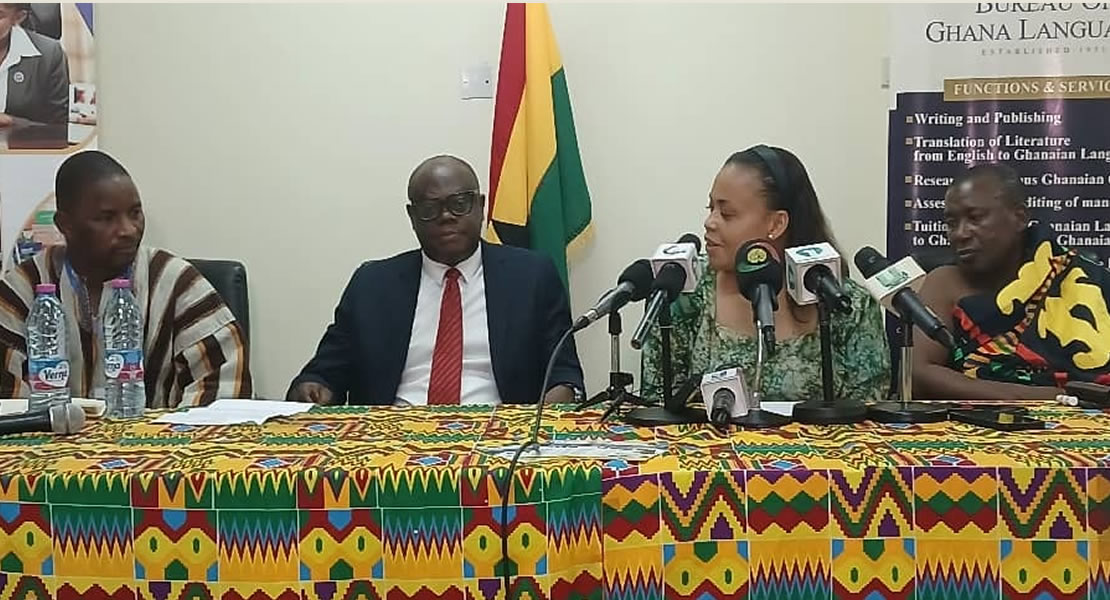
This milestone was announced at a press conference in Accra on Thursday, January 21, 2026, by Ahanta West Constituency Member of Parliament Mavis Kuukua Bissue, who championed the initiative.
She expressed gratitude to the government led by President John Dramani Mahama, as well as Education Minister Haruna Iddrisu and Tourism, Culture and Creative Arts Minister Abla Dzifa Gomashie, alongside chiefs from the Ahanta region.
MP Bissue recalled that on June 2, 2025, she had addressed Parliament, urging the government and the House to integrate Ghanaian languages such as Ayinda into the educational curriculum.
“Today, that call has become a reality,” she stated. “I am equally grateful to our revered chiefs, queen mothers, and elders of Ahanta land for their steadfast guardianship of our traditions and identity.”
Reflecting on her motivation for public service, Bissue highlighted the pressing challenges facing her constituents, particularly the gradual erosion and near extinction of the Ahanta language. Research and field observations, she noted, indicated that without structured intervention, Ayinda faced the threat of disappearing entirely.
She shared her personal connection to the cause: “Though born to both an Ahanta mother and father, I did not have the opportunity to learn the language either at home or in school. There were no standardized books from which I could read or study my mother tongue.”
Having spent more than 25 years abroad, Bissue explained she lacked a structured means to reconnect with her heritage language.
“Today, like many Ahanta people, I am unable to speak Ayinda fluently, and my children have similarly had no formal avenue to learn it. This reality underscores the national imperative to act decisively to protect our indigenous languages from extinction.”
She emphasized the cultural significance of the language: “To lose Ayinda would not merely mean losing a means of communication; it would mean losing the cultural memory of who we are as a people. Language is not separate from the people; it is the people. When a language fades, the values, wisdom, and historical consciousness of the people fade with it. The preservation of Ayinda is therefore an act of cultural survival, intergenerational continuity, and dignity for Ahanta land.”
The approval of Ayinda orthography and its certification for teaching and examination marks a major policy and educational achievement. It formally integrates Ayinda into the family of Ghanaian languages taught in schools, creating opportunities for academic development, teacher training, curriculum expansion, and employment.
The Ahanta West MP called on Ahantas in the diaspora, the Ahanta business community, and all supporters of Ahanta heritage to invest in the next phase of this effort—through funding education, volunteering, sponsoring training, and encouraging the teaching of the language in schools.
Kwaku Sakyi-Danso/Ghanamps.com