News:
January 13, 2026
Facing years of losses, the Bank of Ghana (BoG) has tightened controls and slashed transaction costs under its Domestic Gold Purchase Programme (DGPP).
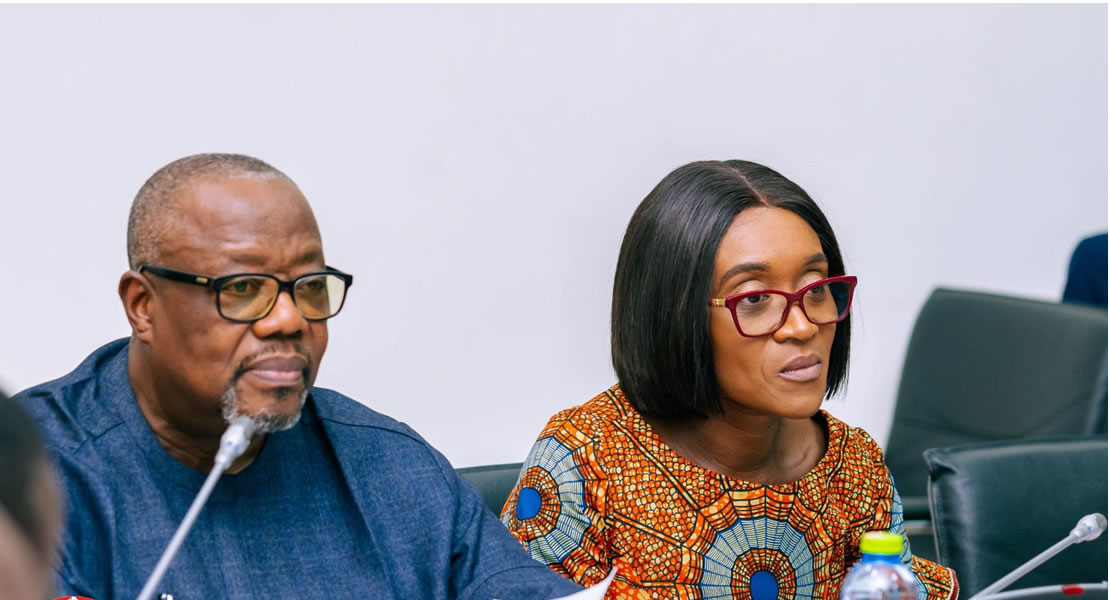
Governor Dr. Johnson Pandit Asiama told Parliament’s Public Accounts Committee that the programme, launched in 2021, was a stabilization measure during severe foreign exchange stress, not a profit-driven venture.
“Since the inception of the DGPP, the Bank of Ghana has carried the financial burden of a national strategic policy—deliberately, and in the national interest,” he stated.
The Governor acknowledged losses from 2022 to 2024, attributing them to timing gaps between local purchases and international sales, foreign exchange conversion effects, and structural costs in doré gold transactions.
“These losses should be understood in the context of a stabilization mandate operating during extreme market stress,” he explained.
Dr. Asiama dismissed claims that the Bank bought gold high and sold low, insisting all transactions were executed at prevailing market prices.
“To be clear, the narrative that the Bank ‘buys gold at high prices and sells at low prices’ is incorrect,” he emphasized.
He outlined major reforms introduced in 2025, including ring-fencing gold proceeds, stricter settlement rules, and reduced fees.
Gold shipments now require full payment or bank guarantees, while off-taker discounts, agent fees, and assay charges have been cut—lowering total transaction costs to about 1.7%.
“It is evident that cost structures have been improved through reductions in discounts, agent fees, and assay charges,” he told the Committee.
Dr. Asiama said further reforms are planned for 2026, including structured hedging, cost renegotiation, and a gradual withdrawal of direct BoG funding.
“The Domestic Gold Purchase Programme did not begin in 2025, nor has it been abandoned,” he affirmed, noting it is being refined to ensure long-term sustainability.
Ghanamps.com