News:
June 26, 2025
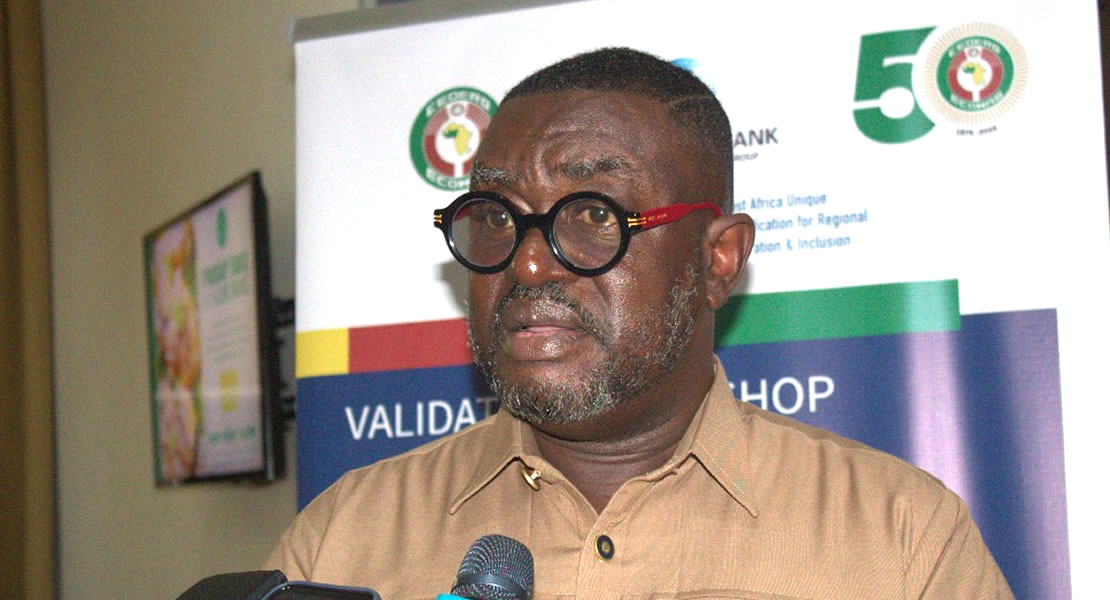
Coordinator of West Africa Unique Identification for Regional Integration and Inclusion (WURI) at the Economic Community of West African States (ECOWAS) Commission Albert Siaw-Boateng has disclosed that a unique identification number is being generated for all citizens and non-citizens of the West African bloc as part of building security architecture of the region and identification.
According to him Ghana has started implementing the ECOWAS biometric card (Ghana card) which was adopted by the Authority of Heads of States in 2014; and it’s the same card basically that serve as travel document.
It is hoped to improve the security architecture of the sub-region and identify citizens. “That card has a unique identification number; you notice it’s linked to social security, even if you have to open a bank account, drivers licenses”, he said in an interview at the opening of a four days validation of (WURI) stakeholders Assessment Engagement and Management Strategy & Foundational Identification Systems Interoperability Strategy in Accra.
Mr. Siaw-Boateng further pointed out that the World Bank funded programme started as far back as 2018 and they are looking forward towards digital identification and also to have member states have unique identity numbers and a consultant has carried out a study on it and needs validation after the Accra meeting.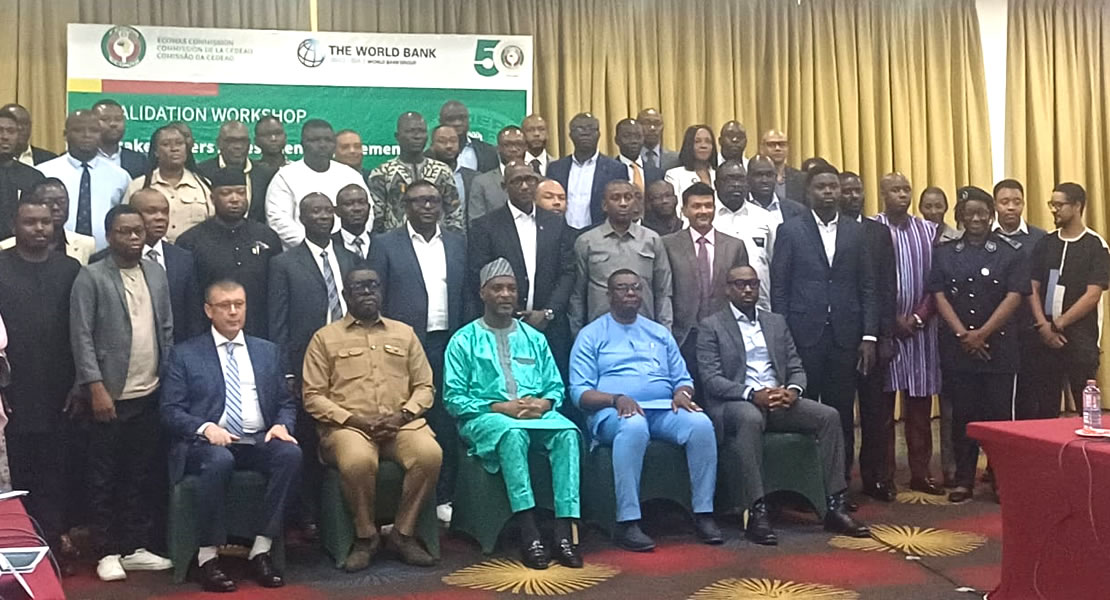
“Now we have come up with this product: (1) on the stakeholder’s assessment, (2) interoperability; so that when you cross borders; for instance if you are in Ghana and get to Togo you should be able to have access to social services”.
And now with the information gathered, ECOWAS member states have been invited to come and validate the report. When the project started there were six participating countries: Benin, Togo, Cote d’Ivoire, Guinea, Niger and Burkina Faso as at last year Guinea pulled out.
As to whether there are timelines for the implementation after the validation, Mr Boateng explained that the consultant has gone round member states; the final produce is here, which is in draft. There is validation which is going to happen now, once it is done, there is a road map accompanying this document and they would have to adopt the road map and that would be what they would be following till they make sure full implementation goes on in all member states.
He indicated that they have set up to 2027 and 2028 for full implementation because it takes time to procure technological infrastructure to execute the task.
Kwaku Sakyi-Danso/Ghanamps.com