News:
July 23, 2026
Dr. Cassiel Ato Forson will deliver the government’s first comprehensive fiscal assessment before Parliament, outlining economic performance and strategy for the remainder of the year.
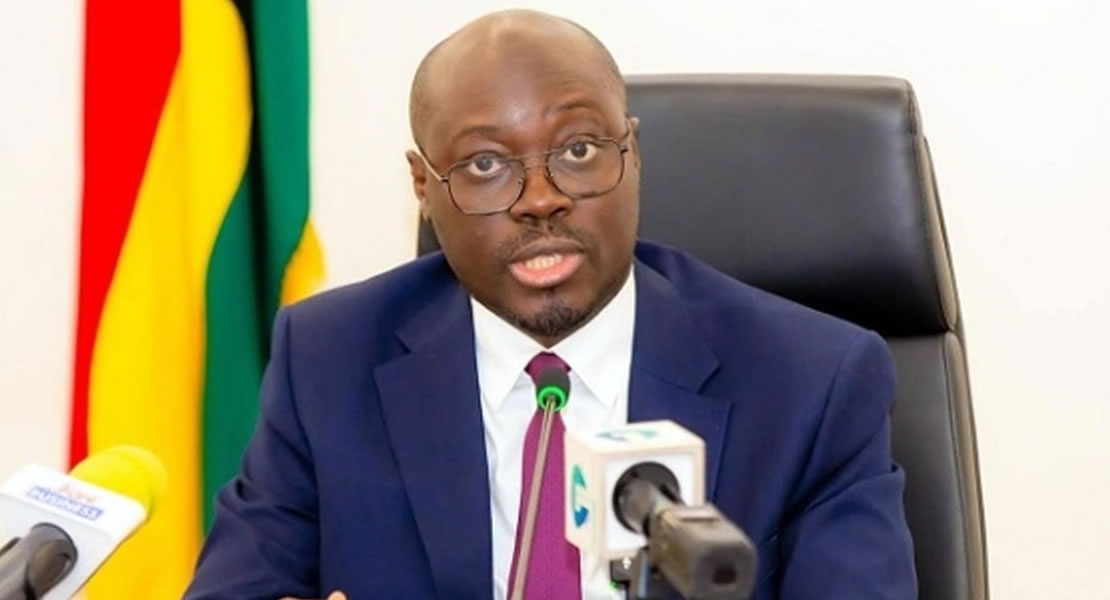
Finance Minister Dr. Cassiel Ato Forson is set to present the 2026 Mid-Year Budget Review to Parliament today, July 23, marking the first major assessment of the Mahama administration’s maiden budget implementation. The statutory presentation, required under Section 28 of the Public Financial Management Act, 2016 (Act 921), will offer critical insights into the government’s fiscal performance and outline its economic strategy moving forward.
The review comes as Ghana’s macroeconomic conditions show signs of improvement, with businesses eagerly awaiting policy directions that will sustain recovery while accelerating production, investment, and job creation. When Dr. Forson presented the 2026 Budget in November under the theme “Resetting for Growth, Jobs and Economic Transformation,” the government pledged to restore macroeconomic stability, strengthen domestic revenue mobilisation, reduce inflation, and support the private sector through flagship programmes including the 24-Hour Economy and the Big Push infrastructure initiative.
Today’s statement is expected to provide detailed updates on revenue performance, expenditure execution, debt management, inflation trends, exchange rate stability, GDP growth, and sectoral programme implementation across agriculture, energy, infrastructure, manufacturing, and social protection. Parliament will also receive updates on key budget commitments and any adjustments deemed necessary to reflect current economic conditions.
A major focus of the review will be Ghana’s transition from the IMF Extended Credit Facility programme to the Policy Coordination Instrument (PCI), with the government expected to outline its post-IMF economic strategy while maintaining fiscal discipline and investor confidence. Updates on external debt restructuring and the country’s debt sustainability outlook are also anticipated, as business leaders and investors closely watch for signals on taxation, public expenditure, access to finance, and measures to stimulate private sector-led growth.
Economists anticipate few major policy surprises, instead expecting a realistic assessment of revenue performance and progress toward ambitious fiscal targets. Analysts have urged the Finance Minister to outline stronger administrative measures for domestic revenue mobilisation without introducing new taxes, while providing greater clarity on financing major infrastructure commitments. The review will indicate whether the government remains on course to meet its fiscal deficit, growth, and inflation targets while balancing increased spending demands with continued fiscal consolidation.
Beyond the economic data, today’s presentation is widely expected to signal the Mahama administration’s shift from economic stabilisation to a growth-driven agenda centred on higher productivity, industrial expansion, employment creation, and improved competitiveness. The outcome will be closely scrutinised by Parliament, investors, development partners, and the business community as a key indicator of Ghana’s economic trajectory for the second half of 2026.
Ghanamps.com