News:
March 16, 2026
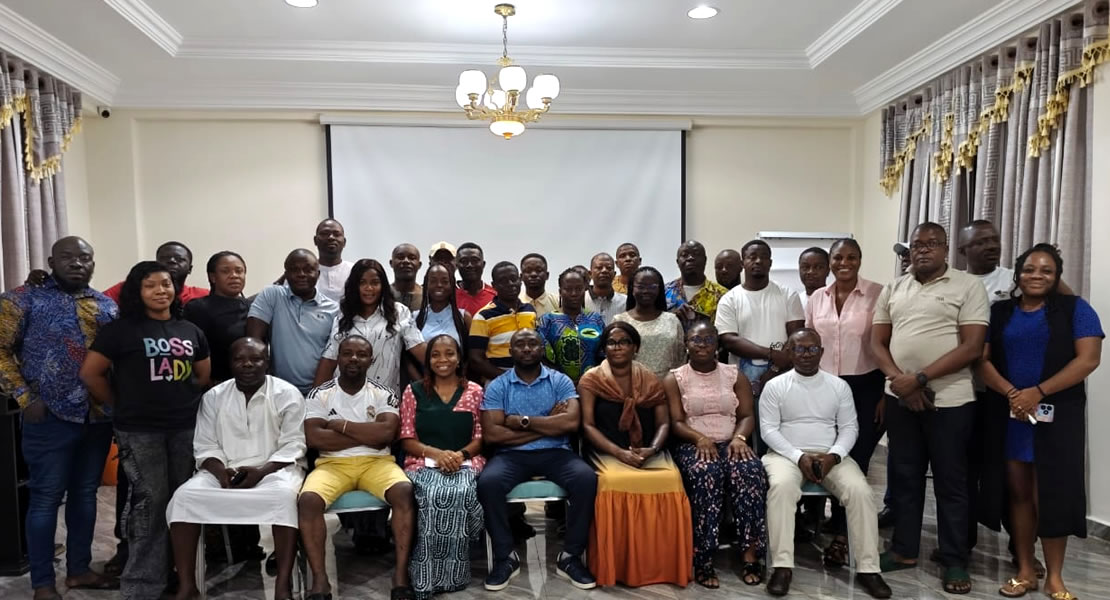
Members of the Parliamentary Press Corps (PPC) are now better equipped to scrutinize government finances following a specialized workshop aimed at enhancing reporting on Public Financial Management (PFM).
The capacity-building session, organized by the Media Relations Department of the Parliament of Ghana with support from the World Bank and the UK Government, sought to bridge the gap between complex fiscal policies and public understanding. The training focused on deepening journalists’ knowledge of Ghana’s financial framework, enabling more incisive reporting on national budgets, fiscal policies, and parliamentary oversight.
Beyond the Chamber: The Media’s Democratic Role
Opening the workshop, the Dean of the Parliamentary Press Corps, Simon Agianab, reminded his colleagues that their role extends far beyond the floors of the Chamber. He called for more analytical reporting that helps citizens grasp the impact of policies, bills, and financial documents laid before the House.
“The Parliamentary Press Corps will continue to serve as the bridge between Parliament and the citizens,” Mr. Agianab stated. “We must ensure that the work of the House is not just reported, but is accurately reported and properly understood by the public.”
This sentiment was echoed by the Director of the Media Relations Department, Mr. David Sebastian Damoah, who urged journalists to expand their focus to include critical national processes like budget scrutiny and fiscal oversight. He encouraged the reporters to take the training seriously to enhance both the accuracy and depth of their financial reporting.
Demystifying the Public Purse
The core technical session was facilitated by Ms. Eva Mends, who delivered a comprehensive overview of Ghana’s PFM system. Her presentation broke down complex topics, including:
· The National Budget Cycle: Understanding the stages from formulation to execution and audit.
· Fiscal Oversight: Parliament’s constitutional responsibility in monitoring public funds.
· Debt Management: The rules and frameworks governing Ghana’s borrowing.
· The Role of the Ministry of Finance: Its function in resource mobilization and allocation.
Ms. Mends explained that a robust PFM framework is the bedrock of good governance. “It is the process through which government mobilizes, allocates, and manages public resources to support national development,” she noted. “A strong system ensures that public funds are used efficiently, transparently, and deliver maximum value to citizens.”
A Win for Accountability
This training represents a key step in strengthening the collaboration between Parliament and the media. By improving their understanding of financial governance, parliamentary journalists are now better positioned to translate complex fiscal data into accessible stories for the Ghanaian public.
The result is expected to be more informed public discourse and stronger democratic accountability, as citizens gain clearer insights into how their country’s resources are being managed.
Ghanamps.com