News:
July 8, 2026
The Minority Caucus in Parliament has launched a blistering attack on the government, demanding the immediate resignation of the Attorney-General and threatening a Supreme Court challenge over the alleged unlawful withdrawal of GH¢350 million earmarked for flood victims.
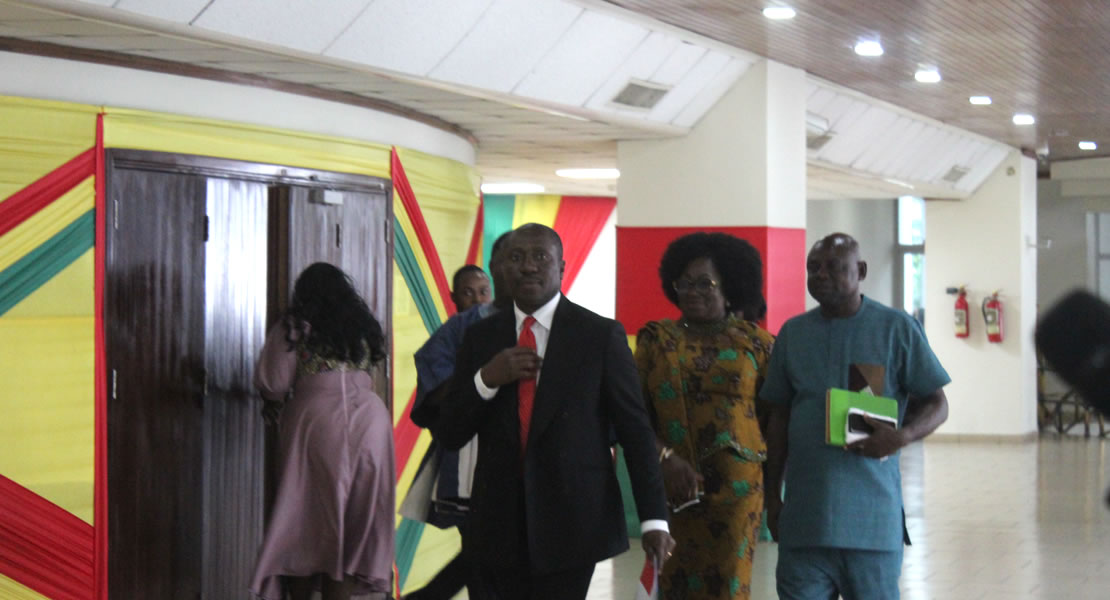
At a press conference on Wednesday, Deputy Minority Leader Hon. Patricia Appiagyei described the situation as “a Republic governed by chaos,” accusing the government of constitutional violations, deception of Parliament, and moving public funds through unapproved channels.
Attorney-General’s Letter and the Garnishee Order
The controversy centres on a letter dated July 1, 2026, from the Attorney-General to the Governor of the Bank of Ghana. In the letter, the Attorney-General acknowledged that the Contingency Fund—the constitutionally established source for the GH¢350 million approved by Parliament’s Finance Committee on June 29—was already under a subsisting garnishee order from a court.
Despite being aware of the court process, the Attorney-General directed the central bank to release the funds “notwithstanding those proceedings,” citing national emergency and public interest. The Minority argues this constitutes a flagrant violation of the rule of law. “Court processes are not overridden by the ‘considered opinion’ of any Minister,” the Minority statement read. “They are varied, discharged or set aside by the courts that issued them, and by no one else.”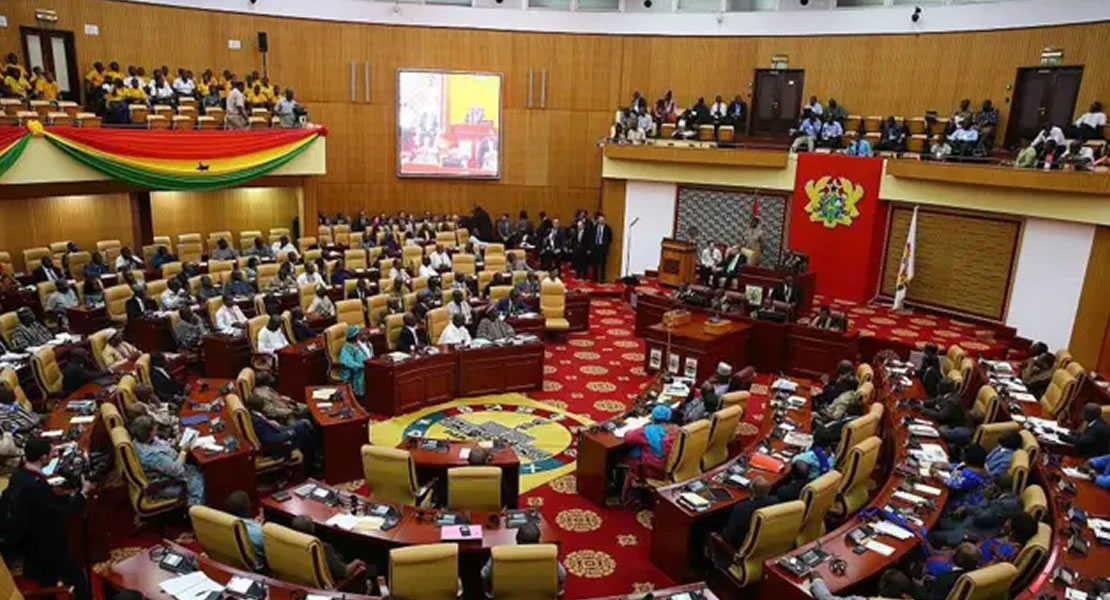
Funds Moved from Unapproved Account
The Minority further alleges that the Bank of Ghana declined to comply with the Attorney-General’s directive, and that the GH¢350 million was ultimately withdrawn from an account other than the Contingency Fund—without parliamentary approval. This, they argue, violates Articles 177 and 178 of the Constitution and the Public Financial Management Act, 2016 (Act 921), which criminalises unauthorised withdrawals of public funds.
“The Ministry of Finance subsequently announced that the GH¢350 million had been released from the Contingency Fund,” the Minority stated. “If the funds were in fact drawn from another account, then that statement did not accurately reflect what transpired. Parliament was misled. Ghanaians were misled.”
The Minority’s Four Demands
The Minority Caucus issued four key demands:
1. Appearance Before Parliament: That the Attorney-General and the Minister for Finance appear before Parliament without delay to lay before the House the garnishee order, the full court records, the letter of July 1, 2026, and all correspondence regarding the attachment and withdrawal.
2. Public Statement from Bank of Ghana Governor: That the Governor of the Bank of Ghana state publicly whether the Bank declined to give effect to the Attorney-General’s directive, from which account the GH¢350 million was released, and on whose instruction.
3. Special Audit: That the Auditor-General immediately conduct a special audit of the flood response disbursement from source to destination and report to Parliament.
4. Resignation or Removal: That the Attorney-General resign or be removed from office.
Threat of Legal Action
The Minority warned that should “candid answers not be forthcoming,” they would pursue “every parliamentary and legal avenue available,” including a motion for a full-scale parliamentary inquiry and recourse to the Supreme Court for the enforcement of the Constitution under Articles 2 and 130.
Conclusion
While reaffirming their support for flood victims and the need for swift relief, the Minority maintained that the controversy is about upholding the rule of law, parliamentary oversight, and constitutional governance. “The greatest danger to a constitutional democracy is when those entrusted to uphold the law decide that the law no longer applies to them,” the statement concluded.
The government is yet to issue an official response to the allegations.
Ghanamps.com