News:

May 8, 2026
Nigeria has recorded significant progress in democratic governance, electoral reforms, and human rights protection between January and May 2026, while grappling with persistent challenges including voter apathy, security constraints, and climate-induced disasters, according to the country’s official report presented to the ECOWAS Parliament.
The report, delivered by Nigeria’s delegation at the First Ordinary Session of the ECOWAS Parliament for 2026, outlined comprehensive updates on the nation’s political situation, environmental challenges, and implementation of regional community texts.
Electoral Reforms and Digital Innovation
The Independent National Electoral Commission advanced the use of digital technologies in voter accreditation and results management to enhance electoral credibility, the report stated. Notable developments included increased participation of youth and women in political processes through digital platforms and civic advocacy networks.
However, challenges such as voter apathy, security constraints, and misinformation continued to affect the quality and extent of political engagement across the country.
Anti-Corruption and Judicial Reforms
Anti-corruption agencies including the Economic and Financial Crimes Commission and the Independent Corrupt Practices Commission intensified enforcement actions, investigations, and public sensitization campaigns. Judicial reforms introduced alternative dispute resolution mechanisms and digital court processes to reduce case backlogs.
The National Assembly strengthened its oversight role by reviewing public expenditures and proposing reforms in anti-corruption and public financial management laws.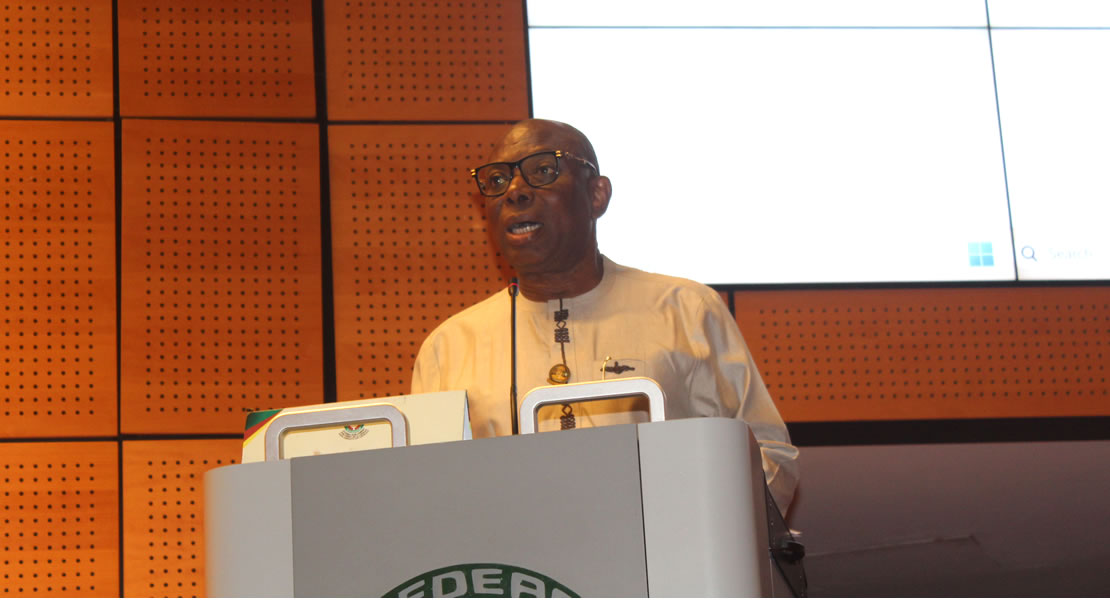
Human Rights and Access to Justice
Nigeria continued efforts to ensure arrests and detentions comply with due process, with the Nigeria Police Force advancing internal reforms focused on improving professionalism and human rights standards. The Legal Aid Council expanded free legal representation to indigent and vulnerable populations.
The media landscape remained vibrant and diverse, with active participation from print, broadcast, and digital platforms, while the Freedom of Information Act promoted transparency in public institutions.
Displacement and Humanitarian Challenges
Forced displacement and statelessness remain significant challenges, driven by insecurity, communal conflicts, and environmental pressures. The National Commission for Refugees, Migrants and Internally Displaced Persons strengthened coordination of humanitarian responses, providing shelter, food, healthcare, education, and psychosocial services.
Climate Change and Food Security
Nigeria experienced varying environmental conditions requiring coordinated disaster preparedness, with localized flooding incidents recorded in several parts of the country. The government intensified efforts to boost agricultural productivity, stabilize food prices, and strengthen resilience through credit schemes, subsidized inputs, and extension services for smallholder farmers.
Regional Cooperation
Nigeria reaffirmed its commitment to ECOWAS frameworks on early warning mechanisms, fuel quality harmonization, and telecommunications roaming regulations. The country strengthened collaboration with the ECOWAS Early Warning and Response Network by providing real-time data on emerging threats including communal clashes and electoral tensions.
The Federal Republic of Nigeria remains committed to repositioning the West African sub-region for greater economic prosperity, political stability, and social welfare, the report concluded.
Kwaku Sakyi-Danso/Ghanamps.com