News:
December 11, 2025
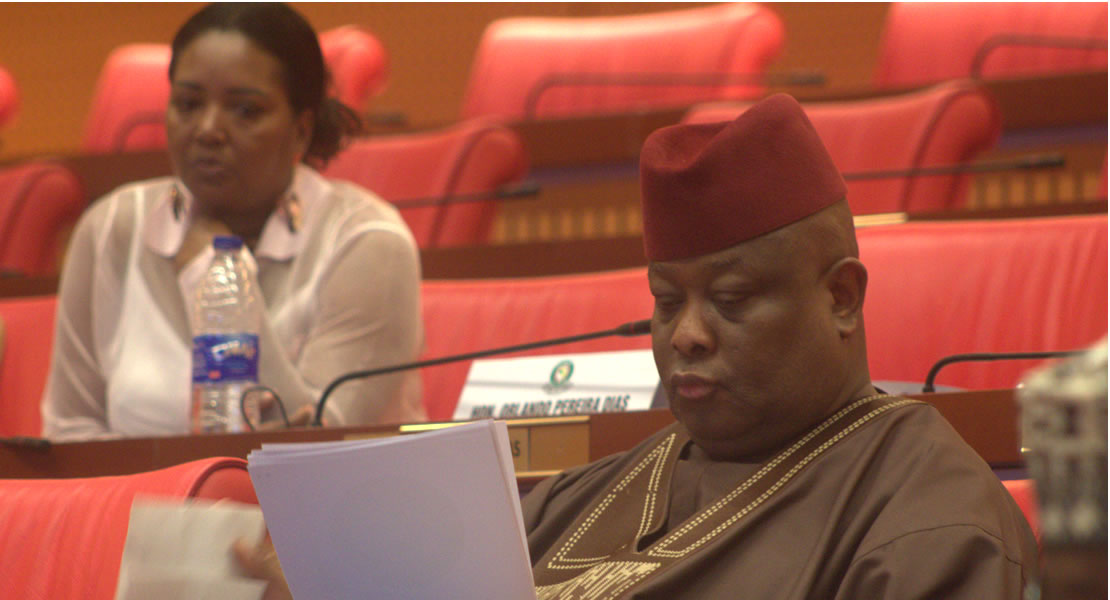
Senator Osita Izunaso, a Nigerian representative to the ECOWAS Community Parliament, has provided context and solutions for the frequent low turnout of Nigerian delegates, challenging the perception that it reflects a lack of commitment.
While acknowledging that often only one of Nigeria’s 35 allocated members might be present during sessions, Izunaso explained this is primarily a logistical clash, not deliberate absence.
The Core Conflict: Competing Legislative Duties
He clarified that the ECOWAS Parliament often sits concurrently with Nigeria’s National Assembly. “Most members might have bills and motions they are sponsoring in the domestic assembly,” Izunaso stated. “They have to work on those. By the time they can disengage, the Community Parliament may have already adjourned due to lack of quorum.”
A Systemic “Information Gap”
Senator Izunaso identified poor communication as a critical, fixable problem. He shared a personal experience where, as a member of the Public Accounts Committee, he missed four meetings because no venues were indicated. “You would come to the Parliament and just start moving around,” he recounted.
He emphasized that many members simply do not know when sessions are happening. “I recounted talking to a colleague who said he was not aware of a plenary. People often do not check their messages,” he said. This gap, he argues, requires proactive measures beyond emails.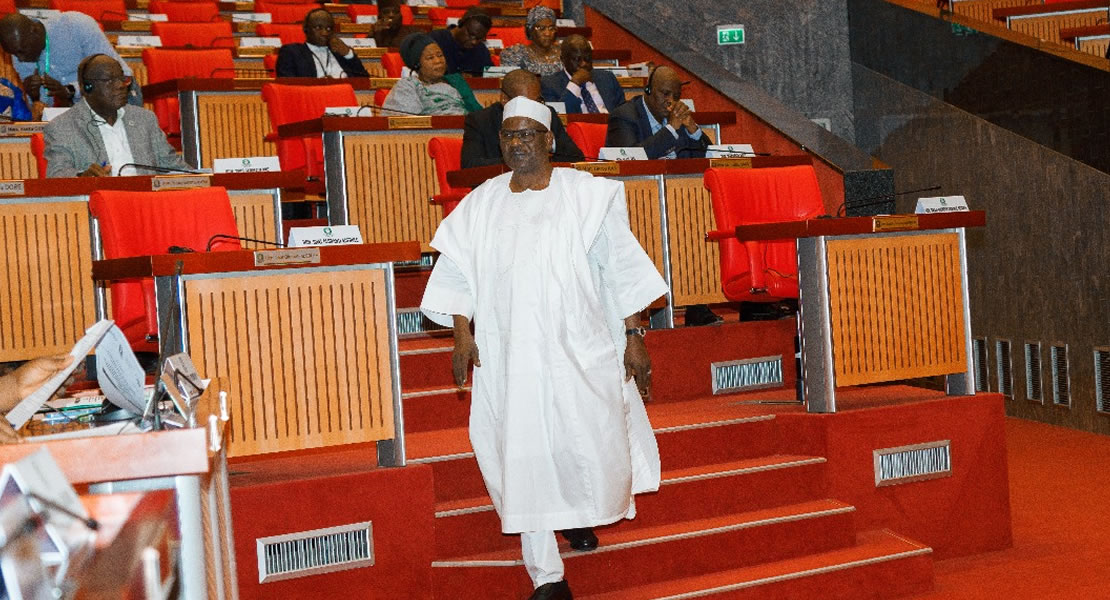
Proposed Solutions for Better Engagement
To achieve a 70%attendance rate from the Nigerian delegation, Izunaso proposed concrete changes:
1. Establish Country Information Desks: Each member state should have a desk responsible for ensuring their
delegates are informed and present. “They should call them, tell them ‘this meeting starts at 11 am; we expect you.’”
2. Broaden Participation in Proceedings: To give every delegate a sense of direct responsibility, committee reports should be divided among members for presentation. “Instead of one person speaking for twenty minutes, let every member speak for five on an assigned topic. Then you know you have a responsibility.”
A Universal Challenge
Izunaso stressed that attendance issues are not unique to Nigeria, “other delegations also spend only a day or two before returning home. The goal is to engage people within this period so they know they have a responsibility.”
He concluded that the current scheduling is suitable but requires better internal systems to ensure members are aware and involved. “It’s not the Speaker’s job alone to ensure attendance,” he said. “With a country desk and inclusive procedures, participation will significantly improve.”
Kwaku Sakyi-Danso/Ghanamps.com