News:
July 7, 2026
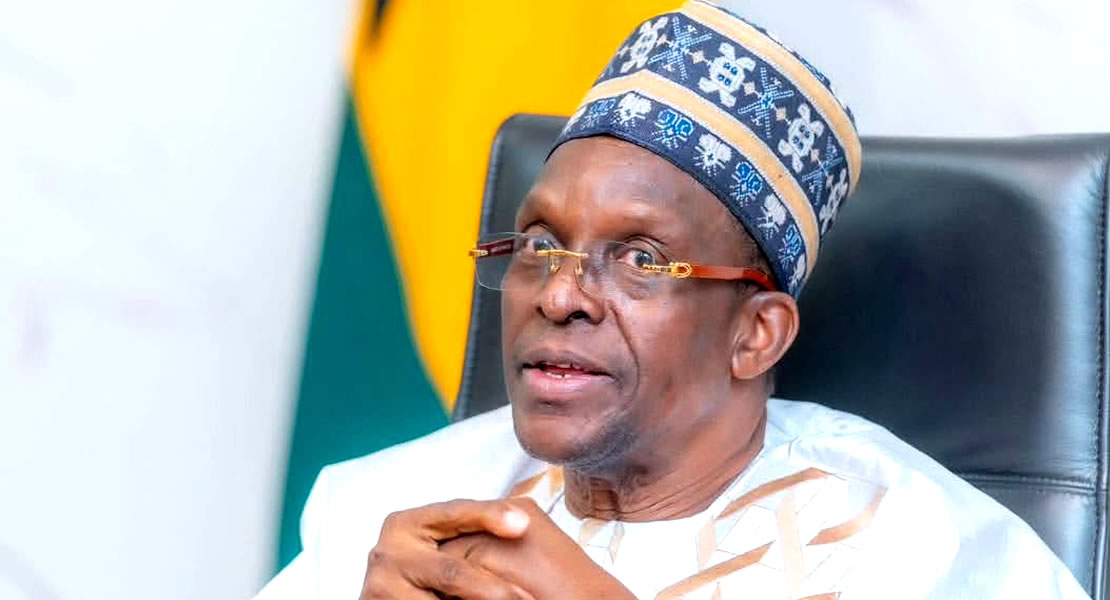
Parliament has thrown its full weight behind President John Dramani Mahama’s declaration of Friday, 10 July, and Saturday, 11 July 2026, as National General Cleaning Days in regions ravaged by the recent floods, Speaker Alban S.K. Bagbin announced on Wednesday.
The twin cleaning exercise comes in response to the catastrophic floods of 29 June 2026, which claimed lives, displaced families, destroyed homes and businesses, and caused extensive damage to public infrastructure across seven affected regions.
In a formal statement to the House, Speaker Bagbin described the initiative as a “timely national response” aimed not only at restoring communities but also at preventing a recurrence of similar disasters.
“Environmental sanitation is not merely a public health issue; it is a matter of national resilience, public safety, environmental stewardship and responsible citizenship,” Bagbin said.
He noted that the recent floods had once again exposed the dangers of clogged drains, indiscriminate refuse disposal, and encroachment upon waterways, stressing that addressing these challenges requires a collective national effort involving every citizen and institution of State.
Parliament to Consider Suspending Sitting
In a significant move to demonstrate Parliament’s commitment, Bagbin revealed that he has invited the Leadership of the House for urgent consultations on the most appropriate institutional response. Among the matters under consideration is whether Parliament should not sit on Friday, 10 July, to enable Members from the affected regions to return to their constituencies and provide direct leadership in the clean-up exercise alongside their people.
“Should I get a consensus on this proposal, I shall, in accordance with the Standing Orders and the established practices of this House, communicate the necessary arrangements to Hon Members,” he stated.
Call to Action for MPs and Stakeholders
The Speaker urged every Member of Parliament, particularly those representing constituencies within the seven affected regions, to actively participate in the National General Cleaning Days and to mobilise Metropolitan, Municipal and District Assemblies, traditional authorities, religious bodies, youth organisations, civil society groups, and all relevant stakeholders.
“Our constituents expect us not only to legislate on matters of national importance but also to stand with them in times of difficulty and to lead by personal example,” Bagbin emphasised.
Beyond Clean-Up: A Call for Systemic Change
Speaker Bagbin stressed that the cleaning exercise should not be viewed as a one-off event but as “the beginning of a renewed national movement towards environmental cleanliness, responsible waste management, protection of our waterways, and the cultivation of a stronger civic culture”.
He called on relevant Parliamentary Committees – including those responsible for Environment, Local Government, Works and Housing, Sanitation, Health, Disaster Management and Climate Resilience – to continue oversight engagements and examine the underlying causes of recurrent flooding.
“The recurring challenge of flooding demands more than periodic clean-up exercises. It calls for sustained commitment to environmental governance, effective enforcement of our planning and sanitation laws, responsible development practices, proper maintenance of drainage infrastructure, and behavioural change on the part of all citizens,” he said.
Commendation and Solidarity
On behalf of Parliament, Bagbin commended the President for the initiative and expressed appreciation to the Post-Flood Mitigation Committee, security services, Metropolitan, Municipal and District Assemblies, sanitation workers, volunteers, and all citizens who will contribute to the success of the exercise.
He concluded with a rallying call: “Let us return to our communities, work alongside our people, and demonstrate through our leadership that Parliament remains responsive to the needs of the nation, particularly in times of challenge. Together, let us help build a cleaner, healthier, safer and more resilient Ghana.”
Ghanamps.com