News:
March 19, 2026
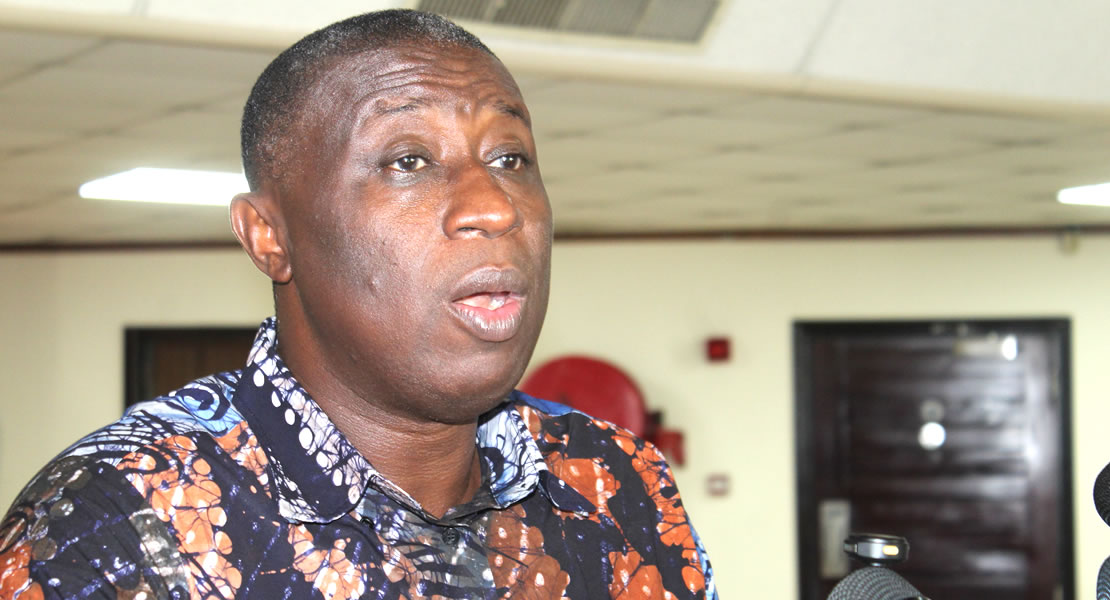
The Member of Parliament for Okaikwei South, Patrick Boamah, is calling for sweeping reforms in Ghana’s tax administration system, arguing that current audit practices are pushing businesses into closure and destroying jobs.
Speaking on the floor of Parliament, Boamah expressed grave concerns over the implementation of the Revenue Administration Act, 2016 (Act 915), describing its effects on the business community as “inimical” to economic growth.
“What I’m advocating for is that tax audits must not be used as a means of punishment. Rather, businesses must be encouraged to undertake proper reporting of their financial statements,” Boamah stated.
The MP highlighted a troubling trend where businesses that comply with tax filing requirements are later hit with crippling interest and penalty charges during Ghana Revenue Authority (GRA) audits.
Under the current framework, the GRA is mandated to conduct audits within six years of tax filing. However, Boamah noted that many businesses are audited within two to three years, only to be told that inaccuracies have been found—resulting in demands for interest payments and penalties.
“This is an issue that has affected a lot of businesses and has even led to some of them folding up,” he said. “This is a country where we are asking for jobs for the youth. So if tax compliance and audits can lead to job closures, then some of us need to become advocates of proper tax administration.”
Boamah raised particular concern about the punitive interest regime currently in place. Businesses found liable during audits are required to pay interest at a rate of up to 125 percent of the Bank of Ghana monetary policy rate, with monthly compounding and retrospective application from the original due date of the tax liability.
Drawing comparisons with other African nations, the MP proposed alternative approaches that could support rather than stifle business growth.
“The South Africans employ a behaviour-based penalty system that distinguishes between inadvertent errors, negligence and deliberate evasions,” Boamah explained. “A country like Kenya applies simple interest rates at modest rates to prevent exponential deaths.”
Boamah has formally written to the Minister of Finance, urging the GRA to introduce tax reforms that prioritise business sustainability over punitive measures. He emphasised that a more transparent and business-friendly tax administration would encourage compliance and attract investment.
“What I’m asking the GRA through the Minister of Finance to do is to come out with some tax reforms that will help businesses to grow, rather than waiting for tax audits after two, three, four, five years and asking them to pay interest rates of 125 percent compound interest. It’s not helping the business community.”
The MP called for bipartisan engagement on the matter, stressing that the survival of businesses is critical to Ghana’s economic future.
“If the businesses survive, they survive to pay corporate taxes, pay taxes for the employees. It also opens the door for other investments to see that the tax administration system is very transparent and helps with business promotion. That’s the import of the letter that I wrote to the Minister of Finance.”
Boamah has urged the media to join the advocacy effort, calling on journalists to help amplify the need for serious reforms in the country’s tax administration framework.
Dominic Shirimori/ Ghanamps.com