News:

May 9, 2026
The third deputy speaker of the Community Parliament of ECOWAS, Alexander Osahene Afenyo-Markin, has called on West African leaders to take urgent action to bring Mali, Burkina Faso and Niger back into the regional bloc.
The three Sahel countries formally severed ties with ECOWAS following military takeovers, but Afenyo-Markin believes the sub-region must not give up on them.
“There must be some understanding to help stabilise the three Sahel countries,” he said. He also called for political will from their military-led governments to restore stability and establish democratic structures.
“We have seen the situations in The Gambia and Benin, where there was bold leadership and stability was restored immediately,” he added.
Afenyo-Markin made the remarks in an interview following a recent terrorist attack in Mali. He noted that while diplomatic efforts had been made to bring the three nations back, it now appears West Africa has given up on its “brothers and sisters” in the Sahel.
He warned that the spillover effects of insecurity could be severe. “As ECOWAS member states, we have families that are connected. We have informal trading activities. Once there is a security challenge, it affects the entire sub-region.”
He questioned why the bloc had seemingly abandoned Mali, Burkina Faso and Niger, allowing their security situations to worsen. He described as “most unfortunate” the deaths of 18 Ghanaian tomato traders in Burkina Faso, adding that the military regime there no longer has control.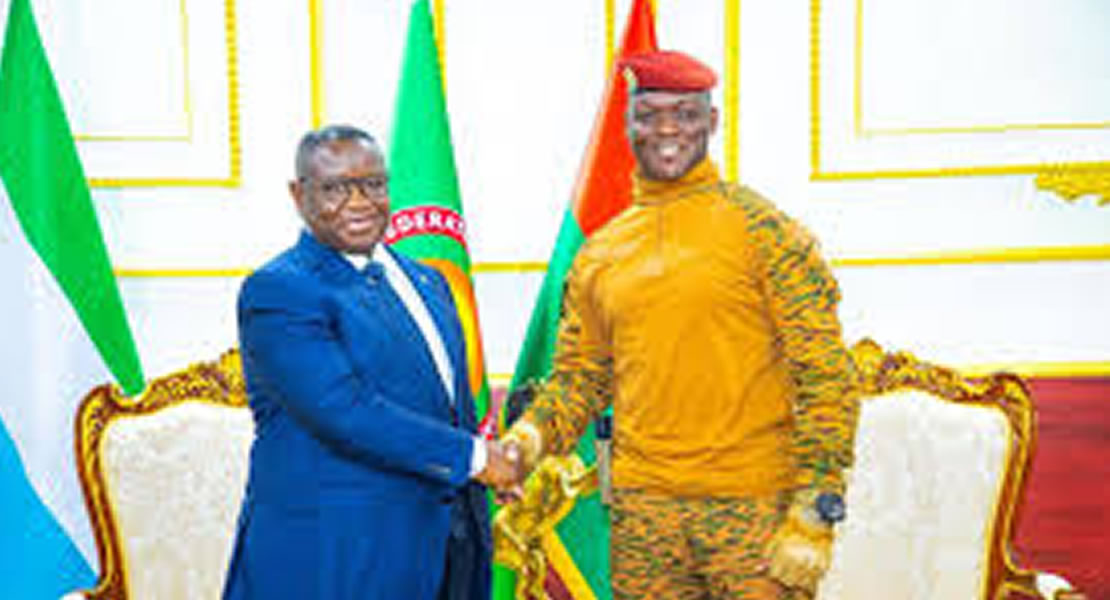
“This has created insecurity day in and day out. Ordinary citizens carrying out intra-regional trade are affected,” he said.
Afenyo-Markin also called on the African Union – as the “parent body” – to support ECOWAS in creating a proper framework to negotiate peace and oversee democratic transitions.
He raised broader questions about the fight against extremism: “Have we created channels to engage these extremists? Have we put in place enough security measures to weaken their firepower? How are we pooling resources? Where are they getting their resources from? Are they receiving external support, or do they have access to natural resources that keep them active?”
Highlighting Ghana’s vulnerability, Afenyo-Markin noted that Ghana shares a border with Burkina Faso. “Once there is that insurgence, it creates instability for us. The cost of ensuring our own stability becomes high.”
He pointed to existing chieftaincy disputes in northern Ghana as a complicating factor. “When this happens up there and trickles down, you have a complex situation. You need more resources – resources you would have used for social infrastructure now have to be deployed for security. You should not take it lightly. We have had enough warning signs. The time to act is now. I respectfully hold that view.”
Kwaku Sakyi-Danso/Ghanamps.com