News:
April 7, 2026
The Minority in Parliament is pushing for a major reset of Ghana’s approach to supporting local enterprises, warning that political patronage is stifling entrepreneurship and threatening long-term growth.
The Minority issued a stark warning that Ghanaian businesses must not be left to succeed or fail based on which political party is in power.
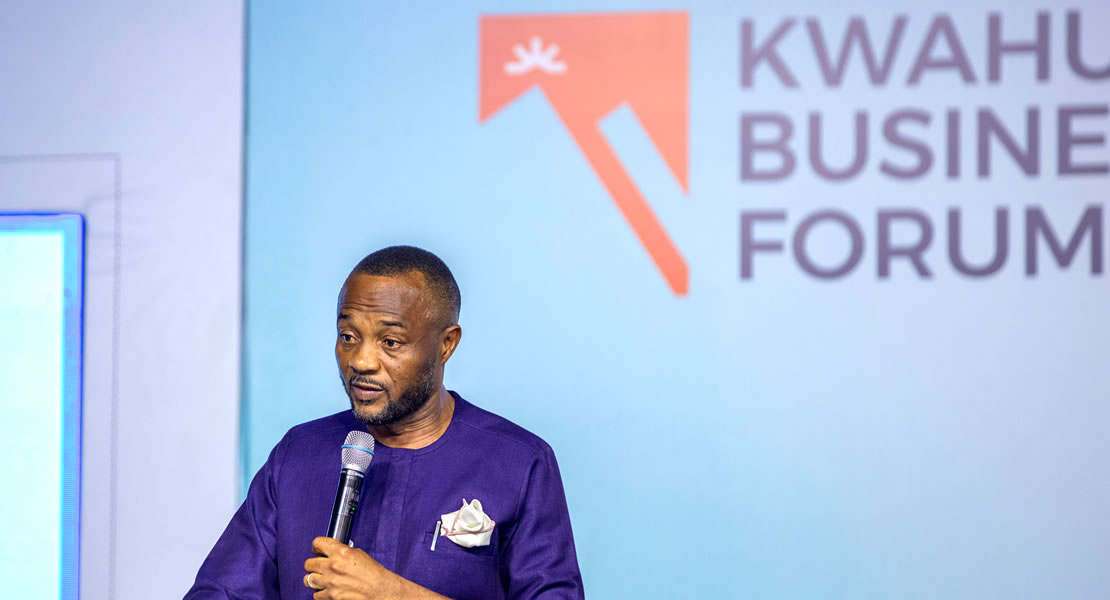
Speaking at the 2026 Kwahu Business Forum, Second Deputy Minority Whip Jerry Ahmed Shaib delivered the message on behalf of Minority Leader Alexander Kwamena Afenyo-Markin.
“The success of a business should never depend on which political regime is in power,” Shaib told an audience of business leaders, policymakers, and entrepreneurs.
The forum was held under the theme: “Leaders Committing to Sustenance of Ghanaian Businesses.”
Beyond Rhetoric and Partisanship
Shaib stressed that Ghana must move beyond “rhetoric and partisanship” if local businesses are to survive and scale in a competitive global economy.
He described entrepreneurship as an act of nation-building, arguing that sustainable development is impossible when political considerations determine who gets government support.
The Minority also expressed concern that the politicisation of business opportunities is pushing Ghanaian firms to the margins while foreign companies thrive.
Youth Entrepreneurs Hold the Key
Shaib called for urgent action to empower young entrepreneurs, describing them as the most “energetic and creative” demographic in the business ecosystem.
“No enterprise should rise or fall based on the political regime of the day,” he reiterated.
‘Sobering’ Feedback from Business Groups
Citing recent engagements with GUTA, AGI, the Ghana Employers’ Association, farmers, and SMEs, Shaib described the feedback as “sobering.”
Key challenges identified include:
* High lending rates and punitive collateral requirements
* Short credit tenures that limit long-term planning
* Rising energy costs forcing manufacturers to operate below capacity
* A tax regime that burdens industry without boosting competitiveness
Bottom Line
The Minority’s message was clear: political patronage is not a sustainable strategy for economic growth. Without structural reforms that depoliticise business support, Ghana risks losing its homegrown entrepreneurs to an uneven playing field.
Ghanamps.com