News:
April 8, 2026
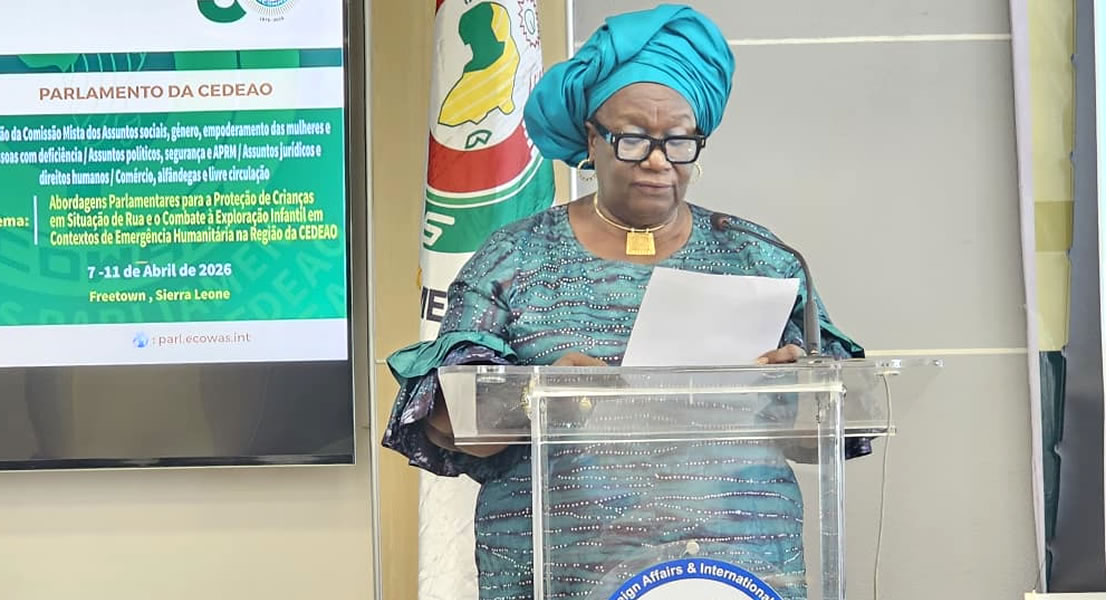
FREETOWN, Sierra Leone: The leader of Sierra Leone’s delegation to the ECOWAS Parliament has called on fellow lawmakers to commit to protecting every child across the sub-region.
Speaking at the opening of a five-day joint delocalised meeting in Freetown, Veronica K. Sesay urged colleagues to ensure that no child is left without protection, opportunity, or hope for a better future.
“Let us ensure no child in the ECOWAS Region is left without protection,” she said.
The meeting brings together committees on Social Affairs, Gender, Women Empowerment and Persons with Disabilities; Political Affairs, Security and APRM; Legal Affairs and Human Rights; and Trade, Customs and Free Movement.
‘These realities demand our collective attention’
Sesay described the gathering as coming at a “very critical moment” for the region.
She noted that children living and working in street situations remain among the most vulnerable members of society, facing heightened exposure to exploitation, violence, hazardous labour, substance abuse, and limited access to essential social protection services.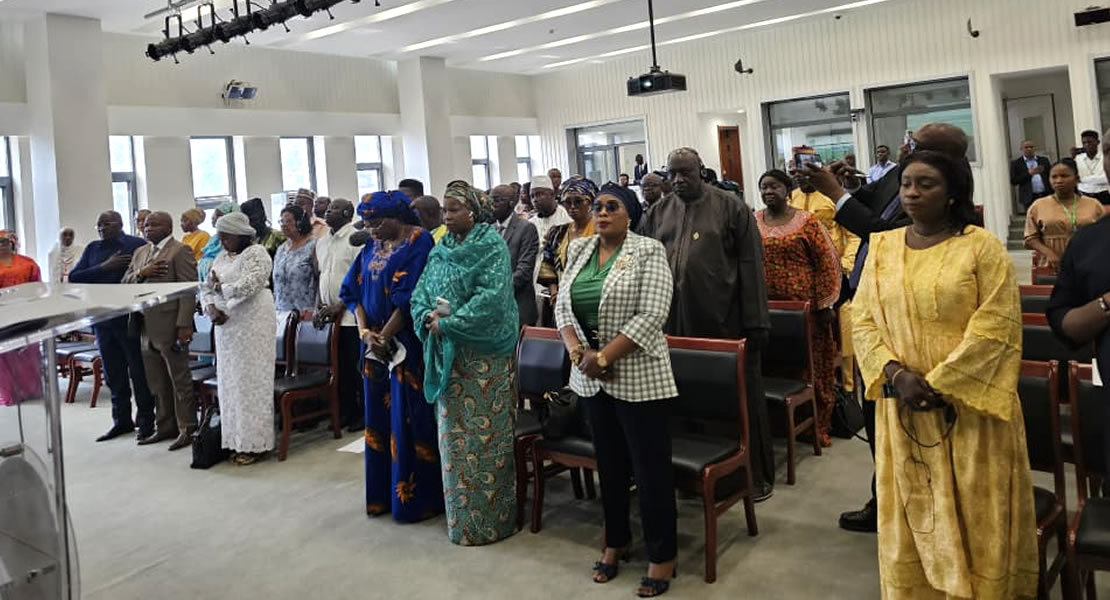
“These realities demand our collective attention, strong legislative action, and coordinated regional responses,” she said.
The meeting provides a platform for reflection, dialogue, and peer learning among parliaments, she added. Over the coming days, lawmakers will examine existing regional and national frameworks, explore structural and socio-economic factors that contribute to children living on the streets, and identify practical strategies to strengthen child protection systems.
Sierra Leone’s legislative progress
Sesay highlighted Sierra Leone’s own record as an example of how responsive, people-centered legislation can drive social transformation.
She pointed to three key laws:
· The Child Rights Act 2025 — reinforces child protection frameworks, aligning national standards with international obligations and addressing emerging vulnerabilities, including children in street situations.
· The Prohibition of Child Marriage Act — a firm legislative commitment to ending harmful practices, protecting every girl child from early and forced marriage.
· The Gender Equality and Women’s Empowerment Act — a progressive step to guarantee freedoms, rights, and inclusive participation of women in governance and national development.
“These achievements remind us that legislation is not merely an exercise in lawmaking, but a powerful tool for social justice, inclusion, and human dignity,” Sesay said.
Field visits and dual mandate
During the meeting, lawmakers will engage with government institutions, civil society organisations, and development partners working on child protection. Planned field visits will allow members to observe first-hand the realities faced by children in street situations, as well as ongoing rehabilitation and reintegration efforts.
“It is particularly important to note that as parliamentarians, we hold a dual mandate — both at the national and regional levels — to enact legislation, provide oversight, and advocate for policies that protect the most vulnerable in our societies,” Sesay said.
She stressed that the week’s deliberations must translate into concrete recommendations and actionable steps to strengthen protection systems and promote coordinated regional responses.
Kwaku Sakyi-Danso / Ghanamps.com