News:
May 4, 2026
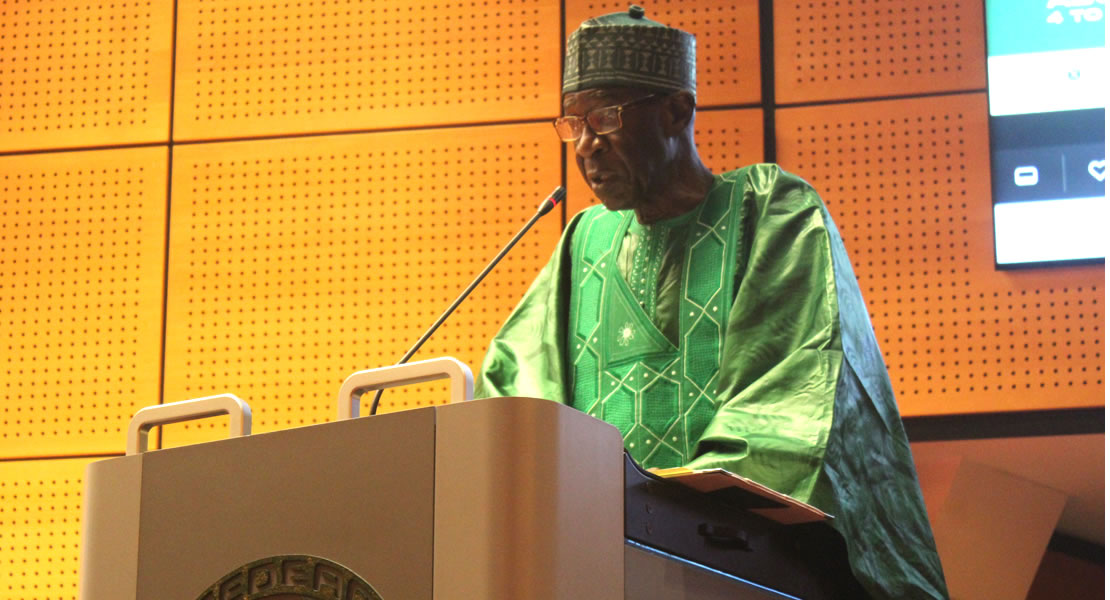
ABUJA, Nigeria – The Speaker of Gambia’s National Assembly, Rt. Hon. Fabakary Tombong Jatta, called on the ECOWAS Parliament to serve as a critical bridge for regional solidarity, warning that terrorism, democratic backsliding, and climate change pose existential threats to West African integration.
Delivering the keynote address at the opening of the First Ordinary Session of the ECOWAS Parliament in Abuja, Jatta returned to a chamber where he once served as an ordinary member, describing the moment as “a return to a place that helped shape my conviction in the power of regional solidarity.” He specifically commended Gambia’s delegation, led by the Majority Leader and the Fourth Deputy Speaker of the ECOWAS Parliament, for ensuring “the voice of the Gambian people is heard” in regional affairs.
Striking an urgent tone, Jatta warned that persistent terrorism and violent extremism across the Sahel are displacing entire communities and leaving generations of young people to grow up “in conditions of uncertainty.” He stressed that this is “not a crisis confined to geography” but a shared regional challenge demanding a unified response, while also acknowledging troubling shifts in the region’s democratic landscape and signals of disengagement from regional commitments.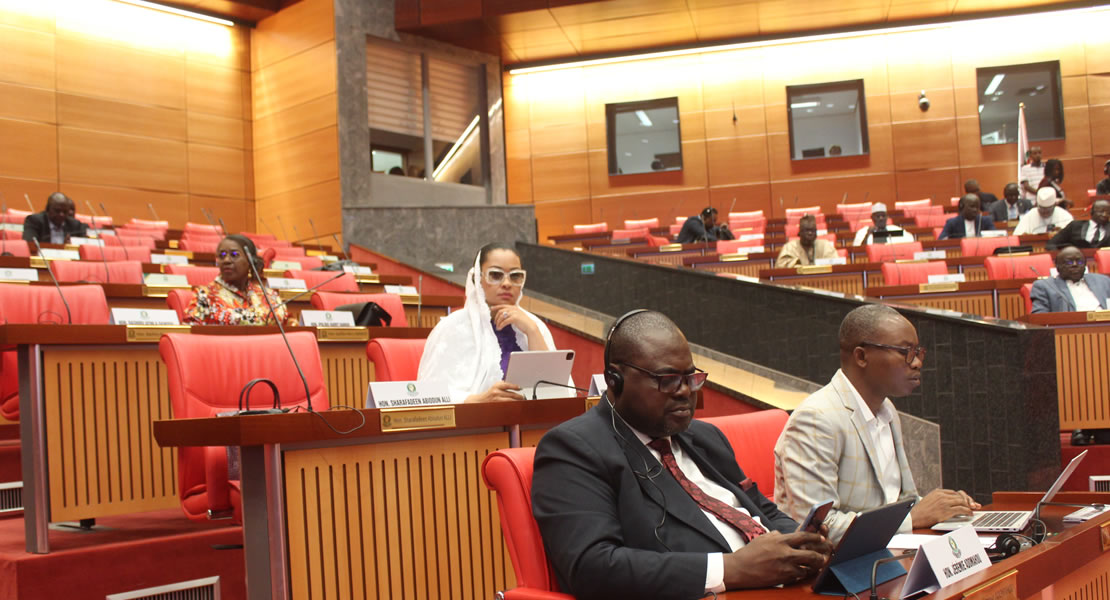
The Speaker further identified economic stagnation as a major obstacle, noting that despite the transformative potential of the African Continental Free Trade Area, non-tariff barriers persist and intra-regional trade remains “below its full potential.” Overlaying these challenges, he said, is the “undeniable reality of climate change,” which he characterized as no longer merely an environmental issue but a “security, economic, and humanitarian imperative” driving resource competition and conflict.
Despite the bleak assessment, Jatta praised the Parliament’s evolution from its consultative origins into “a vital organ of regional governance,” citing its election observation, conflict mediation, and advocacy for gender and youth inclusion. He particularly commended the Parliament’s pursuit of Direct Universal Suffrage as “a bold step toward deepening democratic legitimacy” and strengthening the bond between the institution and West Africa’s 400 million citizens.
Jatta urged lawmakers to fully embrace parliamentary diplomacy where executive diplomacy faces constraints, insisting that dialogue must persist “even in moments of political divergence.” He concluded with a call to transform the ECOWAS project from an institutional framework into “a living covenant of peace, solidarity, and shared prosperity,” envisioning a future where a trader in Banjul, a farmer in Ouagadougou, and a young innovator in Lagos operate within a truly integrated economic space.
Kwaku Sakyi-Danso/Ghanamps.com