News:
May 4, 2026
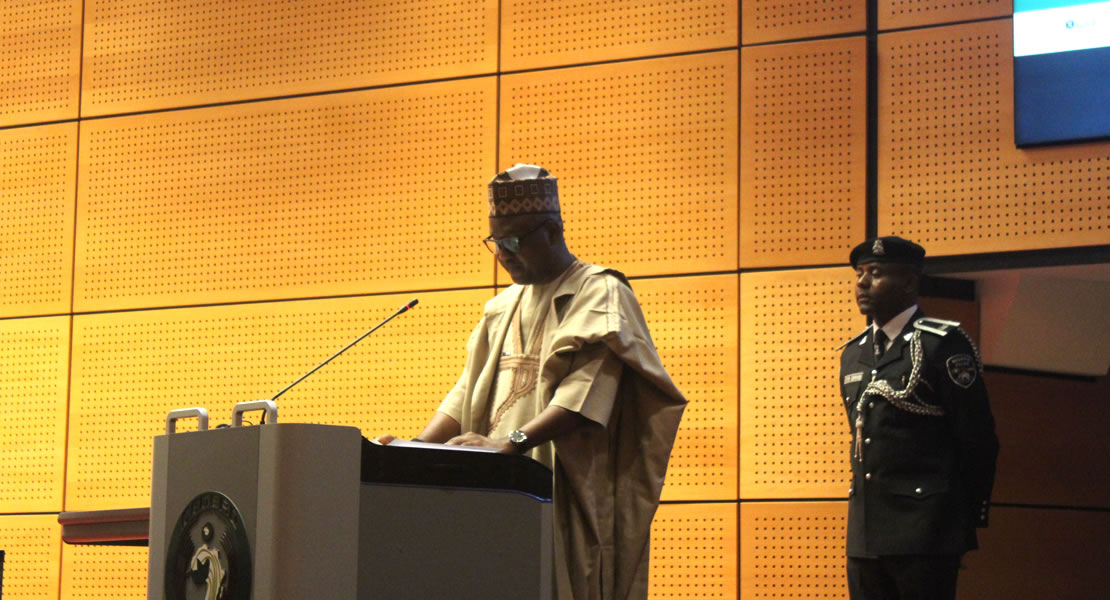
ABUJA – Nigeria’s Speaker of the House of Representatives, Rt. Hon. Tajudeen Abbas, has issued a stark warning that democratic governance across West Africa is under mounting strain and must begin to produce tangible results for citizens, or face further instability and potential collapse.
Speaking on Monday at the opening of the 2026 First Ordinary Session of the ECOWAS Parliament in Abuja, Speaker Abbas said the region is at a defining moment, marked by declining voter turnout, eroding public trust, and a troubling resurgence of unconstitutional changes of government that expose deep institutional weaknesses.
“This session brings together parliamentary leaders and representatives from across our sub-region at a time when the choices before us are both consequential and immediate,” Abbas told the gathering. “The concern is no longer limited to the conduct of elections. It extends to whether democratic governance is producing outcomes that citizens can recognise and trust.”
He pointed to growing disillusionment among voters, noting that while West Africans continue to reject military rule, their patience with democratic systems is being severely tested. “The issue is not whether democracy remains the preferred system. Evidence shows citizens reject military rule. The issue is whether democratic systems are delivering sufficiently to sustain that preference. Security, economic stability, and fairness in public administration are no longer aspirational goals – they are the basis on which citizens evaluate the state’s credibility.”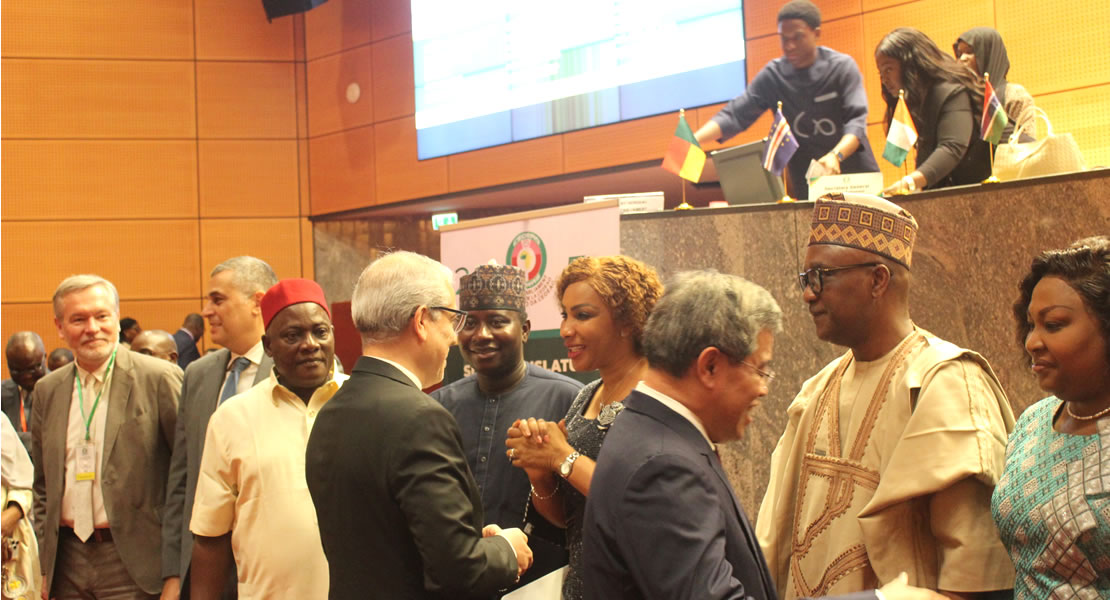
The Speaker argued that the ECOWAS Parliament must evolve beyond its current advisory role to meet the demands of the moment, calling for stronger legislative authority, improved oversight powers, and a more direct role in regional decision-making. “Discussions around direct elections, expanded budgetary scrutiny, and clearer enforcement of Community protocols have reflected a shared recognition that the institution must evolve. A Parliament with limited influence cannot adequately respond to democratic reversals, security pressures, and economic uncertainty.”
Abbas also underscored the importance of national legislatures, describing them as frontline institutions through which citizens experience governance. Highlighting Nigeria’s approach, he said the House of Representatives had focused on legislative productivity, tightening oversight, and increasing public engagement, including through parliamentary friendship groups to deepen cooperation with other regional legislatures.
Turning to Nigeria’s economic reforms, he defended the removal of fuel subsidies and the unification of exchange rates as necessary steps taken within a democratic framework. “These measures have required adjustment, but they reflect a deliberate approach to reform. Early indicators suggest they are beginning to yield results. This demonstrates that democratic systems can undertake difficult reforms without recourse to extra-constitutional measures – a critical point in a sub-region where the temptation to substitute constitutional processes with military intervention has re-emerged.”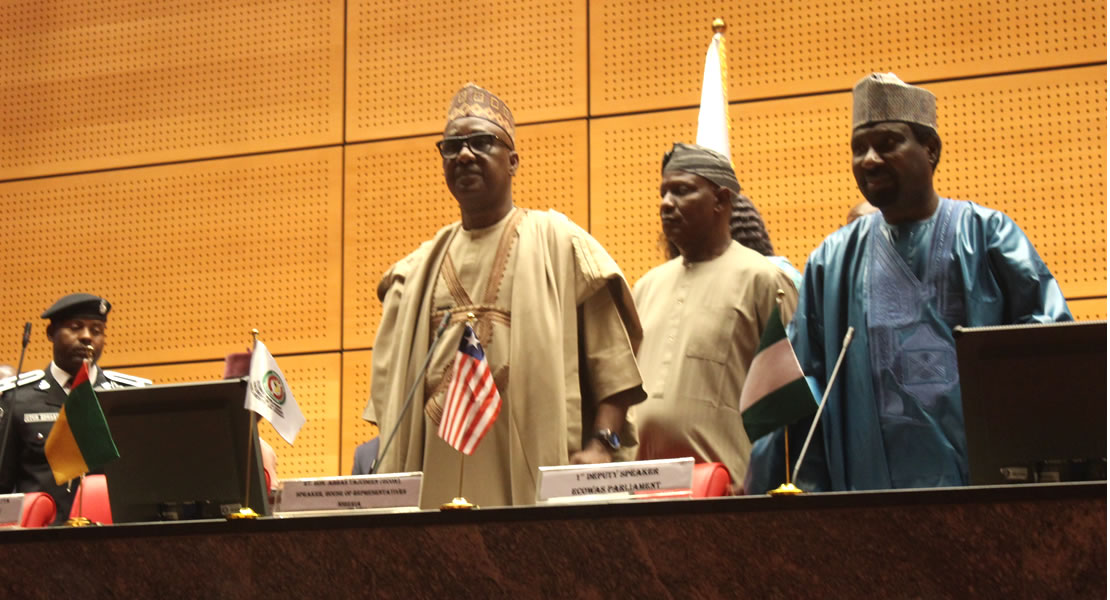
Speaker Abbas outlined three priorities for the region: delivering measurable outcomes through democratic systems, ensuring accountability in political leadership, and translating regional agreements into concrete action. “Parliaments will be central to restoring public confidence in democracy across the sub-region. This session provides an opportunity to align our collective efforts with our citizens’ expectations and strengthen the foundations of democratic governance across West Africa.”
Kwaku Sakyi-Danso/Ghanamps.com