News:
May 5, 2026
Côte d’Ivoire has successfully cemented its institutional stability following peaceful legislative elections in December 2025, according to the country’s latest report presented to the ECOWAS Parliament during its First Ordinary Session of 2026.
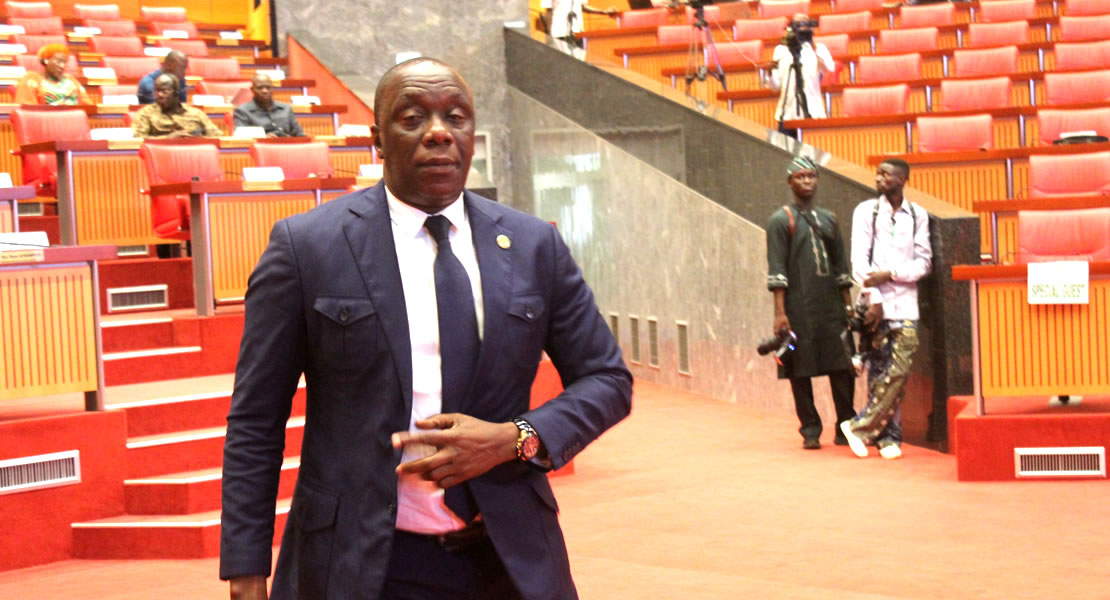
The Ivorian delegation reported that voter turnout for the December legislative polls stood at approximately 37 percent, reflecting moderate but steady citizen engagement. The ruling party retained its dominant position in the National Assembly, and the new legislature was formally inaugurated in January 2026 with the election of the Speaker and establishment of parliamentary bodies, Koné Gnangadjomon presented the Country report.
During the period from December 2025 to April 2026, the Council of Ministers adopted measures to accelerate public administration digitalisation and expand online service platforms. In February, the government approved a programme to enhance public financial management through the gradual rollout of results-based budgeting, while anti-corruption efforts continue under the supervision of the General State Inspectorate.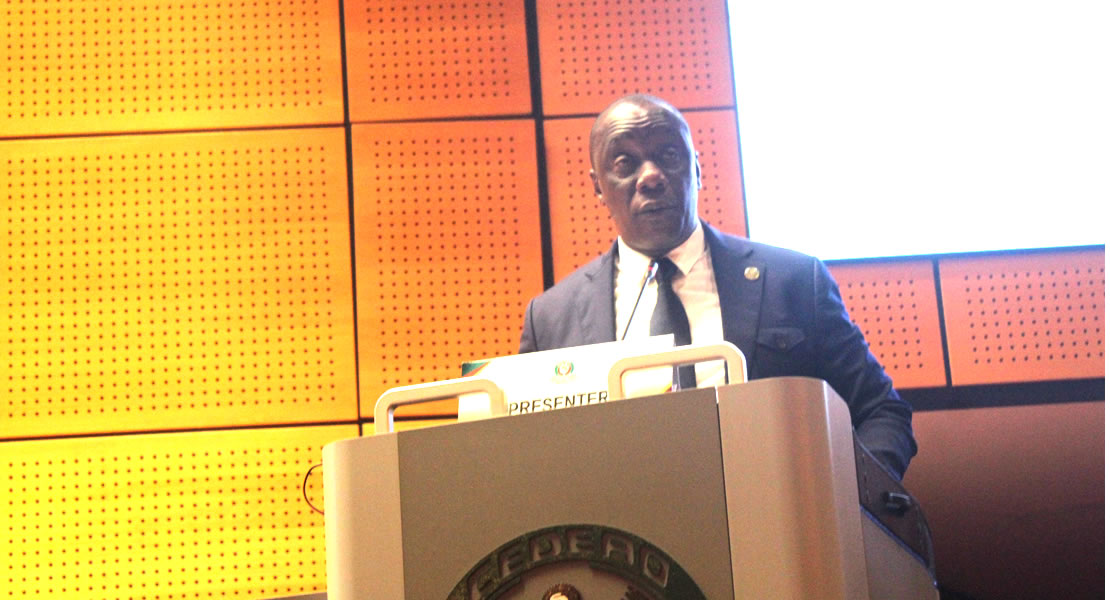
The government reports a generally calm civil liberties climate, with more than 200 community-based mediation and dialogue initiatives carried out between January and March 2026 under the National Social Cohesion Programme. The National Human Rights Council has continued monitoring missions, particularly in prisons and rural areas.
Côte d’Ivoire currently hosts more than 75,000 refugees and asylum seekers, primarily from Sahel countries including Burkina Faso and Mali. In March 2026, the Council of Ministers adopted measures to strengthen socio-economic integration for refugees through access to basic social services and income-generating activities.
The Ivorian economy remains dynamic, with an estimated growth rate of 6.5 percent in 2025 and similar prospects for 2026, while inflation is contained at around 4 percent. On the social front, more than 400,000 vulnerable households have benefited from social safety net programmes, and universal health coverage has expanded to over 17 million people.
Climate change continues to affect the agricultural sector, particularly in northern areas, with approximately 1.6 million people facing moderate or severe food insecurity according to Harmonised Framework estimates. The government has adopted a programme to support food production, including distribution of agricultural inputs and support for rice production.
In a significant move for regional integration, the government announced at its 29 April 2026 Council of Ministers meeting a 25 percent reduction in passenger and security charges for intra-Community flights. The measure aligns with the Supplementary Act adopted by ECOWAS in December 2024 relating to a common policy on aviation charges.
The government said the decision aims to make regional air transport more accessible, stimulate intra-regional trade, and enhance mobility for West African citizens and economic operators, reaffirming Côte d’Ivoire’s leading role in advancing ECOWAS Vision 2050.
Kwaku Sakyi-Danso/Ghanamps.com