News:
July 29, 2026
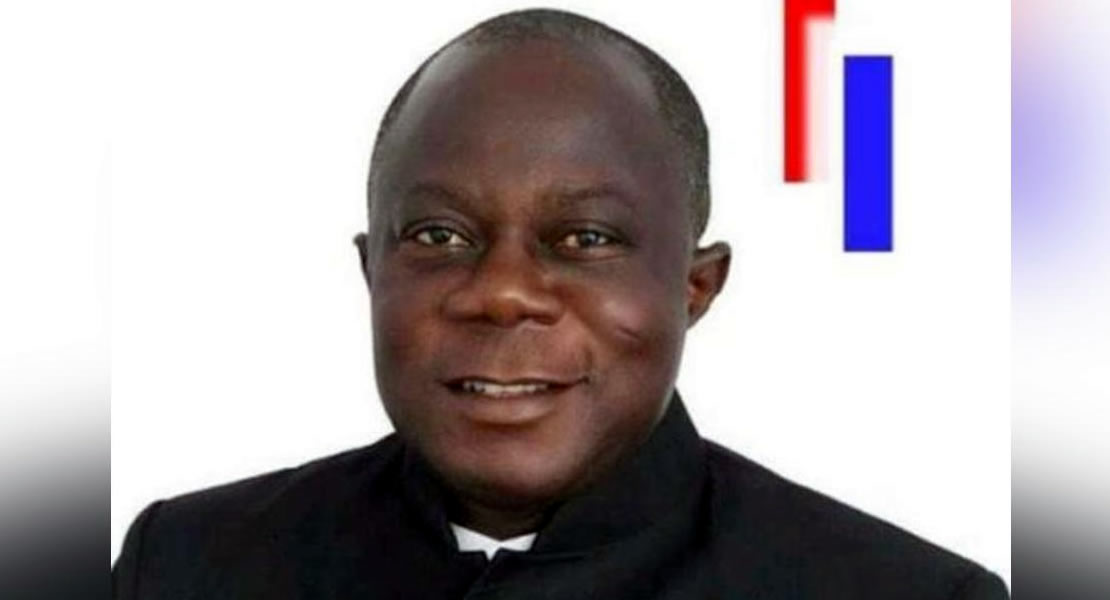
A bipartisan group of five Members of Parliament, led by Asante Akim Central MP Kwame Anyimadu-Antwi, has reintroduced the Criminal Offences Amendment Bill, 2026 – commonly known as the Anti-Witchcraft Accusations Bill – in a renewed push to criminalise witchcraft accusations and outlaw the activities of witch doctors and witch finders across Ghana.
The private member’s bill, which seeks to amend the Criminal Offences Act, 1960 (Act 29), would prohibit individuals from declaring, accusing, naming or labelling any person as a witch. It would also ban the practice of witch-finding and the activities of persons who present themselves as witchfinders or witch doctors for the purpose of identifying alleged witches.
A Bill That Lapsed Without Assent
The legislation was originally passed by the Eighth Parliament in July 2023 but lapsed after former President Nana Akufo-Addo declined to grant presidential assent. The former president cited constitutional concerns over its introduction as a private member’s bill rather than government-sponsored legislation. The original bill was sponsored by five MPs: Francis-Xavier Kojo Sosu (Madina), Hajia Laadi Ayii Ayamba (Pusiga), Dr Godfred Seidu Jasaw (Wa East), Helen Adjoa Ntoso (Krachi West) and Betty Nana Efua Krosbi Mensah (Afram Plains North).
Human Rights Groups Renew Pressure
The reintroduction comes amid renewed calls by human rights organisations and civil society groups for stronger legal protections against witchcraft accusations, which disproportionately affect older women, particularly in parts of northern Ghana. In May, Amnesty International Ghana appealed to President John Mahama to declare the bill a national priority and certify it as urgent for passage by Parliament.
The urgency is underscored by the tragic case of Akua Denteh, a 90-year-old woman who was beaten to death in July 2020 in her home village of Kafaba in the Savannah Region after being accused of witchcraft. Two women seen beating her in a viral video were sentenced to 12 years in prison in 2023 for manslaughter. Six years after her death, Ghana still lacks a comprehensive national law specifically criminalising witchcraft accusations.
Widespread Impact on Vulnerable Populations
Witchcraft accusations typically originate within families or communities following tragic events such as illness or death. Older women living in poverty, with health conditions or disabilities, as well as women who do not conform to stereotypical gender roles, are at greatest risk. Those accused often face brutal attacks, displacement and social exclusion, with many forced to flee to witch camps in the North-East and Northern regions.
According to recent figures, 131 women currently reside at the Ngani Camp, 78 at the Gambaga Camp, and 20 at the Kpatinga (Pasimbana) Camp. Although about 220 women have been reintegrated through civil society interventions, accusations continue unabated.
Government Signals Support
Speaking in Parliament on June 26, the Minister of Local Government, Chieftaincy and Religious Affairs, Ahmed Ibrahim, said the government is considering adopting the bill. He noted that the Ministry is mobilising support from traditional leaders and community stakeholders while reviewing existing witchcraft-related laws within the sub-region to align Ghana’s legal framework with international human rights standards.
“Until this Bill is enacted, Ghana lacks a comprehensive national law specifically criminalising witchcraft accusations,” Mr Ibrahim stated.
What the Bill Seeks to Achieve
Beyond criminalising accusations, the proposed legislation would ban witch-hunting practices, including forced exorcisms, and prohibit the operation of alleged witch camps. It also provides for protection mechanisms for survivors, including psychosocial support, safe reintegration, and legal remedies. State institutions would be obliged to prevent, investigate and prosecute abuses linked to witchcraft-related practices.
The bill’s proponents argue that its passage would significantly enhance human rights protections in Ghana and align the country with international human rights standards, including the Convention on the Elimination of All Forms of Discrimination against Women (CEDAW), which Ghana ratified in 1986.
Ghanamps.com