News:
September 1, 2026
In a passionate appeal for civic unity, the Minister for Local Government, Chieftaincy, and Religious Affairs, Hon. Mahama Ayariga, has issued a rallying cry for a collective national effort to tackle Ghana’s mounting waste management crisis, stressing that government action alone cannot succeed without the active cooperation of every citizen.
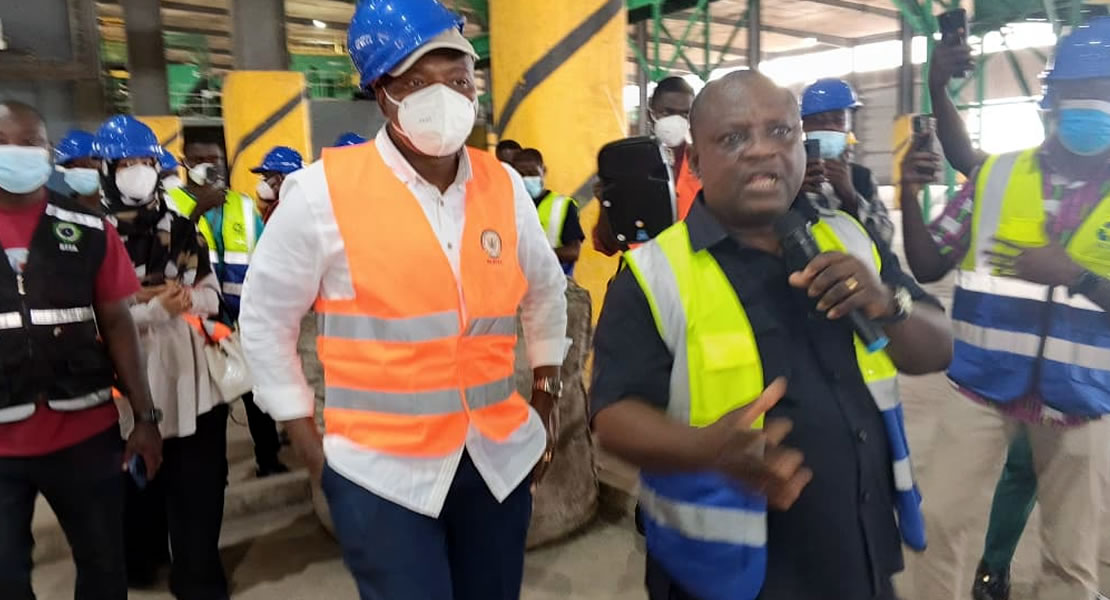
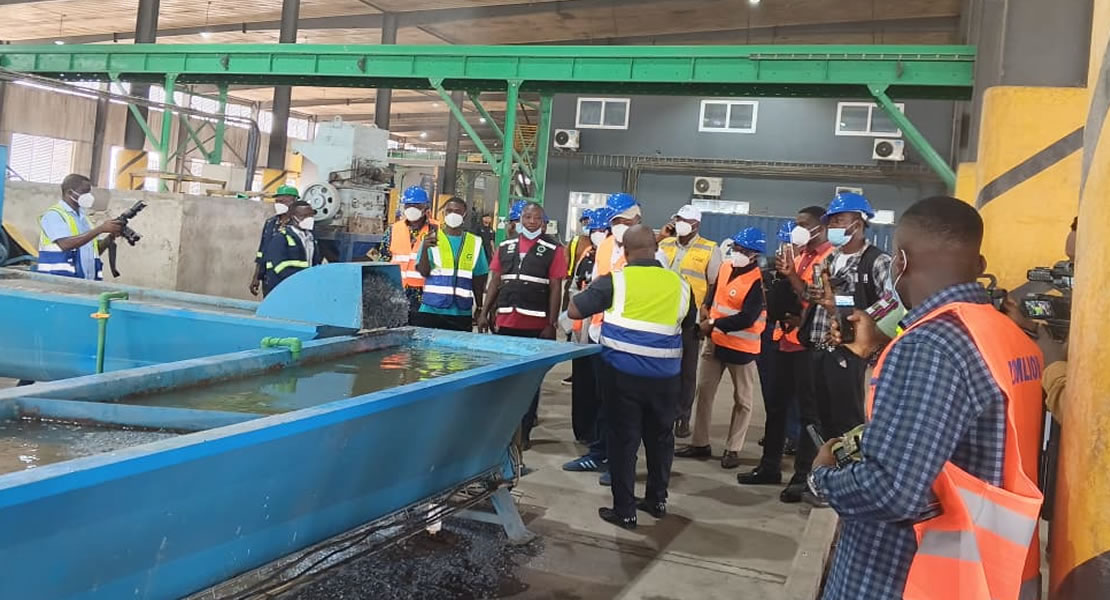
Speaking during an early morning inspection tour of waste management sites in the Greater Accra Region, the Minister underscored that sustainable sanitation is a shared burden that demands shared responsibility.
“We call for the support of every resident of a city; we need your support and we need your cooperation,” Hon. Ayariga declared. “We are putting in place those systems. We are looking for financing. When we raise the money, we have to pay the money. And that money has to be paid by you.”
A Partnership of Accountability
In return for the public’s financial commitment, the Minister gave a firm pledge to Ghanaians: his administration will operate with unwavering transparency. He emphasized that the citizens’ cooperation must be matched by the government’s integrity in handling public funds.
“We promise to be accountable. We promise to be efficient. We promise to be transparent so that you see exactly how your resources are being used,” he assured, framing the initiative as a partnership rather than a top-down directive.
The “Polluter Pays” Principle as a National Ethos
Central to this national call to action is the enforcement of the “Polluter Pays” principle. Minister Ayariga stressed that citizens cannot shift the entire financial weight of sanitation onto the state, urging Ghanaians to fulfill their civic duties by paying property rates and sewerage levies.
“You cannot ask government to come and pay for that waste,” he asserted. “The people who have constructed the building and those of you who occupy it, you are responsible for incurring the cost.” He warned that living in cities requires compliance with proven systems, noting, “We cannot live in cities and want to behave differently from all other successful cities. It is not rocket science.”
Collective Action Will Lower Costs
The Minister made a compelling economic case for unity, arguing that an organized, collaborative system would drastically reduce the financial strain on individual households. By streamlining collection routes, bringing treatment plants closer to communities, and cutting inefficiencies, he projected that families could see their waste management bills slashed significantly.
“If we organize it well, we could reduce the cost per household of waste management by even 50%,” he explained. The current high costs, he noted, are driven by logistical waste, long travel distances for trucks, and expensive financing—problems that a coordinated national strategy can solve.
A Blueprint for the Nation
While the tour focused on Accra, Mr. Ayariga emphasized that the findings are a “microcosm” of a national challenge, warning that the same issues plague Kumasi, Takoradi, and other major cities. He revealed plans to convene Regional Ministers and MMDAs to harmonize this collective national effort, ensuring that the entire country moves in unison.
Backed by prospective international partners, including Vice President of Vadir, Dr. Fatima Al-Shake, who joined the tour to explore financing opportunities, the Minister is determined to mobilize resources. However, he concluded that money and infrastructure will only go so far without the unity of the Ghanaian people.
“We are going to organize ourselves to be able to do it,” he stated firmly. “We need the cooperation to carry this out.”
Ghanamps.com