News:
June 11, 2026
Roads and Highways Minister Governs Agbodza has revealed that the government has so far paid nearly 30 billion cedis to settle arrears on road projects initiated by the previous administration, marking a significant departure from past practices where such obligations were often abandoned.
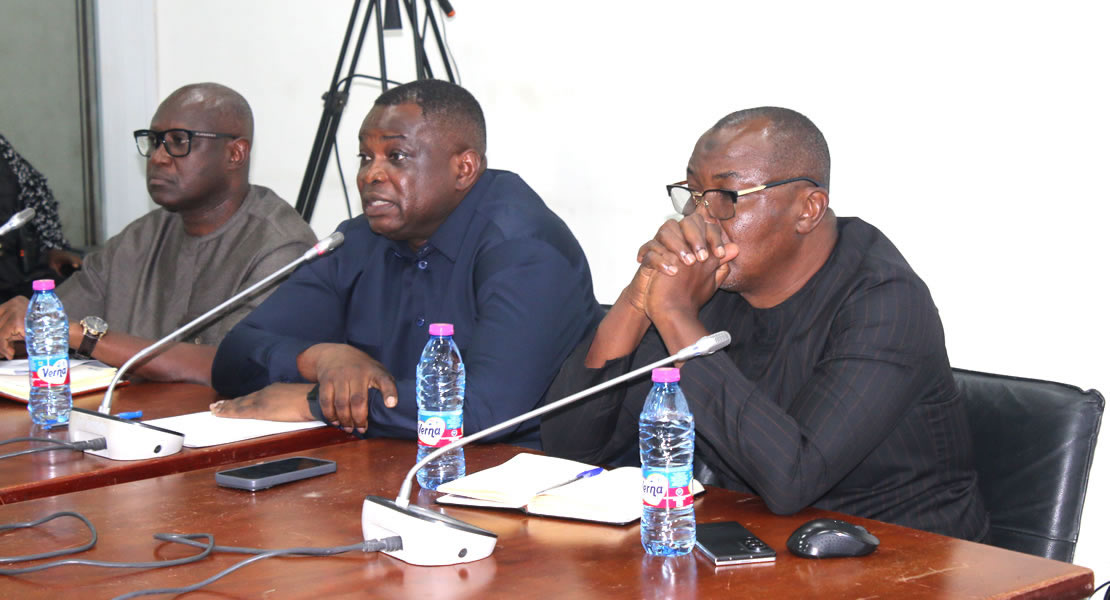
Speaking before Parliament’s Economic and Development Committee, Agbodza outlined the government’s approach to inherited road contracts, ongoing challenges with donor-funded projects, and the relocation of the Cocoa Road programme to his ministry.
Cocoa Roads Now Under Ministry’s Control
Agbodza confirmed that the Cocoa Road project programme, previously managed by the Cocoa Board, has been transferred to the Ministry of Roads and Highways. The move is intended to streamline oversight and ensure continuity.
Debt Restructuring Halts Donor-Funded Projects
The minister disclosed that nearly all development partner-sponsored road projects were “sold” – effectively suspended – as a result of the country’s debt restructuring exercise. While a handful have since been restarted, including the motorway stretch to Central University and works at Akosombo, others have fared worse.
“Projects like Boga, Cocoa, and Makou have completely died because they were commercial agreements, and we couldn’t resuscitate them,” Agbodza said.
He added that the president has directed that such stalled projects be incorporated into the next phase of the government’s “Big Push” infrastructure initiative. So far, about 13 billion cedis worth of those projects have been retired, with the process ongoing.
Government Breaks with Past Practice on Inherited Projects
In a notable policy shift, Agbodza stressed that the current administration has made deliberate efforts not to cancel projects started by its predecessors.
“When government changes, we make deliberate efforts not to cancel or abandon a legacy project. We consider them part of the government obligation,” he said. “As of now, every project started before the emergence of the new government is technically protected. Every project legitimately awarded must go on.”
That stands in contrast to previous transitions, according to the minister. “In the past, that would have been ‘we didn’t start it, let it rot.’ That’s our own thing now,” he said.
Funding Challenges Exposed by Single Project Cost
Agbodza highlighted past fiscal inconsistencies, noting that one project was awarded at nearly 650 million cedis against a total Road Fund allocation of just over 6 billion cedis for 2026.
“If one project in one district is 650 million, how is that protected?” he asked. “Those are the things that happened in the past. But we take them all on.”
He reaffirmed the government’s commitment to balancing new initiatives with inherited obligations. “Yes, the government is doing new things, but not at the expense of what we came to meet. We are carrying on existing projects and adding new ones to make sure we meet national development plan targets.”
Ghanamps.com