News:
July 9, 2026
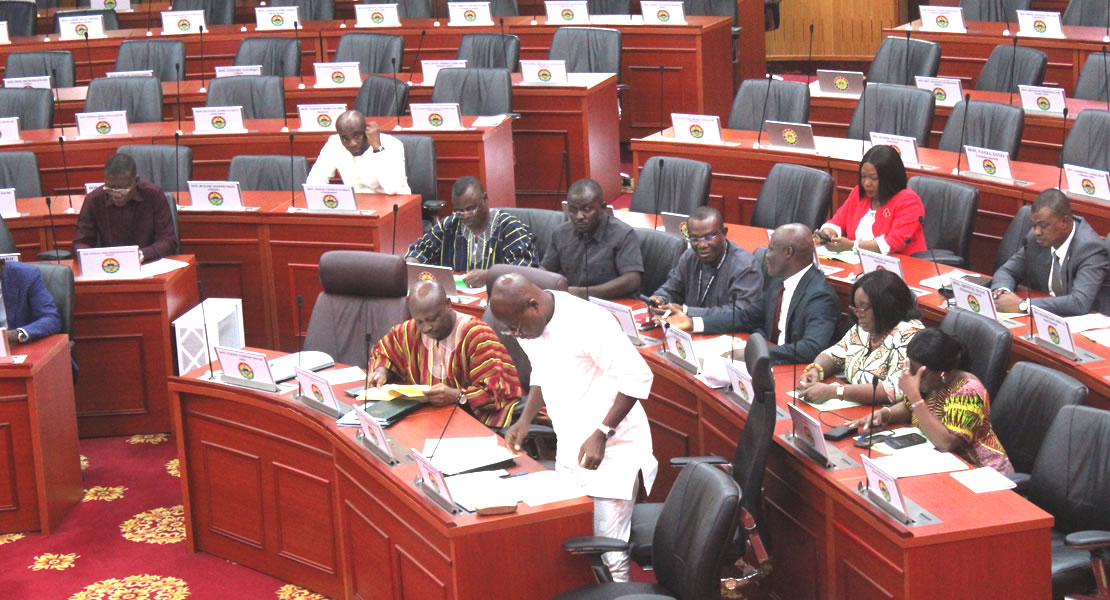
Parliament’s second reading of the Tribunal Bill, 2026, on Wednesday descended into a fierce political showdown, with the Minority NPP Caucus raising alarm over what they describe as a potential tool for citizen intimidation.
Opposition Fears Historical Echoes
The Minority vehemently opposed the legislation, warning that its passage could revive painful memories of pre-Fourth Republic regimes when tribunals were allegedly used to suppress dissent.
“We cannot ignore the dark chapters of our history,” Minority members argued during the floor debate. “This Bill, if passed, risks being weaponized against ordinary Ghanaians.”
Majority Defends Constitutional Mandate
The Majority side pushed back forcefully, framing the Bill as a constitutional necessity rather than a political instrument. They maintained that the legislation fulfills obligations under the 1992 Constitution and represents an essential step in judicial reform.
What the Bill Proposes
The legislation, comprising 59 clauses and a schedule, seeks to:
· Establish Regional and District Tribunals across the country
· Create a Tribunal Oversight Committee to ensure accountability
· Define clear jurisdictional boundaries and operational procedures
Case Backlog Crisis Driving Reform
Attorney-General and Minister for Justice Dr. Dominic Akuritinga Ayine, who presented the Bill through Lands Minister Emmanuel Armah-Kofi Buah, highlighted the urgent need for judicial reform.
“The traditional courts face an annual backlog increase of approximately 3,360 cases,” the Minister explained. “This has resulted in prolonged delays and denied citizens timely access to justice.”
The tribunals are designed to work alongside existing courts, addressing specialized cases and ensuring expedited case disposal.
Constitutional Foundation
The Bill addresses what the Committee described as a “legal lacuna” in Ghana’s tribunal framework. While Article 142 of the 1992 Constitution integrates Regional Tribunals into the judicial structure, they have become defunct in practice.
Committee Process
The Joint Committee on Constitutional and Legal, and Judiciary, chaired by Shaibu Mahama, conducted extensive consultations with the Attorney-General and technical experts before presenting their report.
Next Steps
Following the second reading, the Bill now progresses to the consideration stage, where clause-by-clause examination will take place before a potential third reading and vote.
The Bill was first presented to Parliament on June 26, 2026, and referred to the Joint Committee for consideration on June 27.
Dominic Shirimori/Ghanamps.com