News:
May 29, 2026
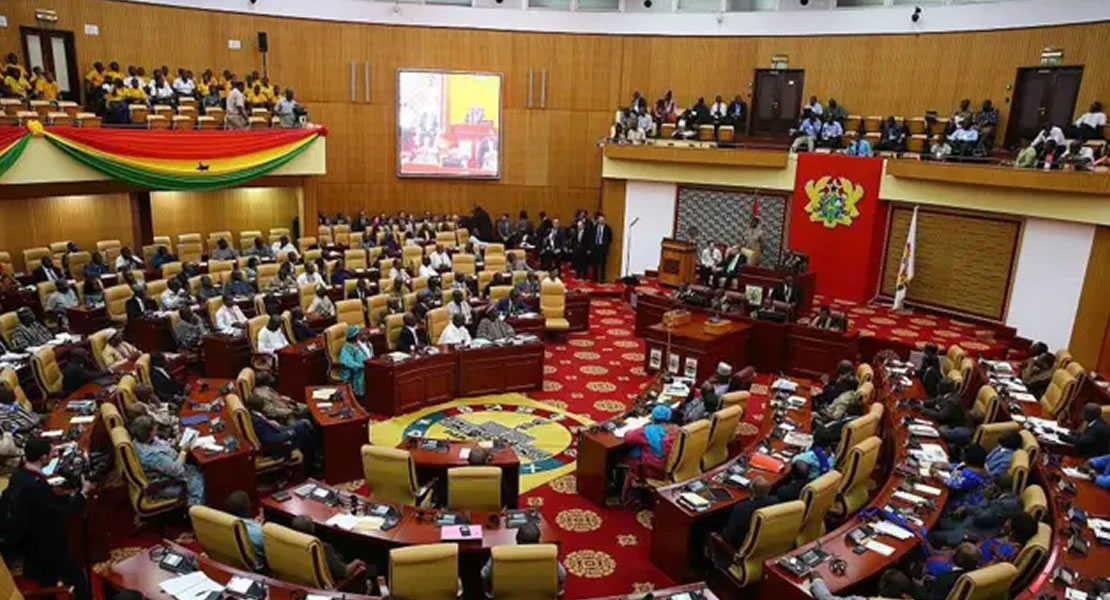
Ghana’s Parliament on Friday passed the long-debated Human Sexual Rights and Family Values Bill, ending years of heated national and international controversy over legislation that criminalizes LGBTQ+ activities.
The bill’s passage marks one of the most consequential decisions in Ghana’s recent parliamentary history. Supporters call it a necessary defense of Ghanaian cultural, moral, and family values. Critics warn it threatens human rights, free expression, and constitutional protections.
Background
First introduced in 2021 by a bipartisan group of MPs, the bill was a response to growing public concern over LGBTQ+ advocacy in Ghana. It criminalizes same-sex activities, bans the promotion, funding, or advocacy of homosexuality, and imposes penalties on individuals or groups seen as supporting such practices.
The proposal drew strong backing from religious leaders, traditional authorities, and many Ghanaians who said it would preserve national identity and family structures. But civil society groups, international human rights organizations, diplomatic missions, and development partners warned it could violate fundamental rights and damage Ghana’s international standing and economic ties.
Multiple legal and procedural challenges delayed the bill’s progress, including petitions and court actions questioning its constitutionality.
Minority raises objections over exemptions
While the minority New Patriotic Party (NPP) caucus supports the bill’s general goal, it strongly opposed the final version passed by the majority National Democratic Congress (NDC).
The minority accused the majority of weakening key provisions. Specifically, exemptions were granted to:
· Lawyers offering legal representation to alleged LGBTQ+ persons
· Medical practitioners providing healthcare
· Media houses reporting on LGBTQ+ issues
These groups are shielded from criminal liability under the passed version. Minority MPs argued that any form of support for LGBTQ+ activities should be punishable, calling the exemptions a serious loophole.
The majority defended the changes, saying they were needed to protect constitutional rights, professional ethics, media freedoms, and access to justice and healthcare.
What happens next
Parliament will now transmit the bill to the president for assent in the coming days. Only then will it become law.
All eyes are now on the presidency, as the legislation is expected to spark renewed public debate at home and abroad over its legal and diplomatic consequences.
Ghanamps.com