News:
September 23, 2026
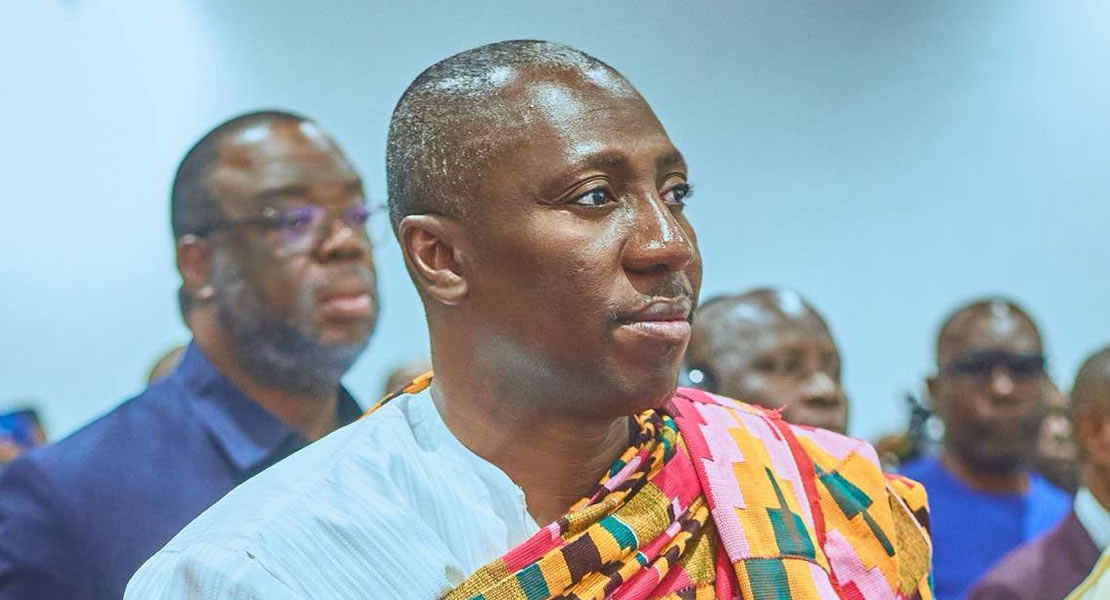
Minority Leader of Ghana’s Parliament and Third Deputy Speaker of the Economic Community of West African States (ECOWAS) Parliament, Alexander Afenyo-Markin, has called for a stronger, people-centred approach to West African integration, insisting that the benefits of regional cooperation must be felt directly by citizens.
According to him, the true value of integration should be measured by the opportunities available to young people, the ease with which citizens and businesses can move across borders, and the collective ability of ECOWAS member states to confront challenges that no individual country can successfully tackle alone.
Speaking at the Second Parliamentary Seminar and Second Extraordinary Session of the ECOWAS Parliament for 2026 on Wednesday, Mr Afenyo-Markin said regional integration must move beyond treaties, protocols and institutional meetings to create tangible opportunities for communities, young people, businesses and citizens across West Africa.
Also read: ECOWAS Parliament sounds fresh alarm over climate threats to West Africa
The week-long programme, being held from September 21 to 27, brings together ECOWAS parliamentarians, government officials, diplomats, international organisations, civil society representatives and development partners.
The Second Parliamentary Seminar, which precedes the extraordinary session, is being held under the theme: “Climate Change as a Factor of Environmental Degradation, Population Displacement and Growing Insecurity in the ECOWAS Region.”
The Minority Leader stressed that his experience in the ECOWAS Parliament has strengthened his conviction that the institution must remain connected to the people in whose name it operates.
“Regional integration must be understood beyond treaties, protocols, and meetings of institutions,” Mr Afenyo-Markin said, stressing that its value must be felt in communities across the region.
Climate change and regional security
The Minority leader drew attention to the relationship between environmental pressures, poverty and insecurity in West Africa.
He cautioned against reducing every conflict in the region to climate change, but said climate pressures could intensify existing vulnerabilities and deepen competition over scarce resources.
He identified poverty, competition over land and water, and weakened livelihoods as some of the pressures that could be aggravated by climate change.
The Minority Leader said the interconnected nature of these challenges made regional cooperation increasingly important, particularly as West African countries seek collective solutions to problems that cross national borders.
ECOWAS engagement
Mr Afenyo-Markin stressed the importance of taking the work of the ECOWAS Parliament beyond national capitals and closer to the communities it represents.
He recalled that the ECOWAS Parliament had previously undertaken decentralised engagements, including a parliamentary seminar held in Liberia in 2019 and Winneba, in the Effutu Constituency in 2021, and on four occasions by 2024.
He said such initiatives reflected an important principle: that a parliament representing the people of West Africa must periodically leave the familiar surroundings of national capitals and meet citizens where they live.
Mr Afenyo-Markin expressed satisfaction that the practice of taking major parliamentary activities outside national capitals is continuing to gain expression in other parts of the region.
Support for ECOWAS Parliament
Afenyo-Markin expressed hope that the discussions and vision shared during the seminar would translate into practical outcomes for citizens across the region.
He reaffirmed his commitment to the objectives of the ECOWAS Parliament and the broader vision of a more integrated, peaceful and prosperous West Africa and advocated continued strengthening of the ECOWAS Parliament, the Community of West African States and the shared vision of a united West Africa.
Ghanamps.com