News:
September 23, 2026
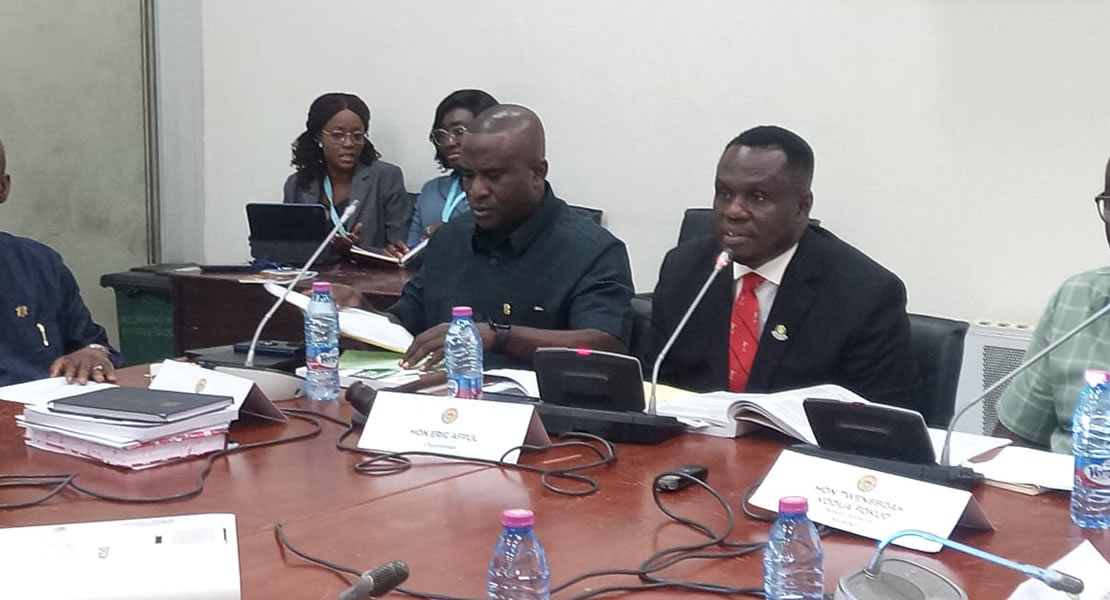
At the ongoing 2026 Second Extraordinary Session of the ECOWAS Parliament in Accra, a member of the Ghanaian delegation, Eric Afful, has urged West African nations to reduce their reliance on international climate funds and instead commit a percentage of their national budgets to addressing environmental challenges. Speaking during the Second 2026 Parliamentary Seminar, themed “Climate Change as a driver of Environmental Degradation, Population Displacement and Growing Insecurity in the ECOWAS Region,” Afful emphasized the need for a homegrown financial solution to the climate crisis.
Afful argued that the current international funding model is insufficient and difficult to access, particularly during emergencies. He noted that relying on a central international fund to mitigate problems associated with climate change is “practically impossible” when immediate action is needed. “The central fund is hardly too rich, especially in terms of mitigating the problems associated with climate change,” he stated, referencing recent flood issues in Ghana as a case in point where securing external financing proved challenging.
Drawing a parallel with a 2015 budgetary declaration on health issues in the sub-region, the Ghanaian delegate proposed that the ECOWAS community should mandate its member states to allocate a specific percentage of their national expenditure to climate change impacts. He suggested that this funding should be activated when climate-related problems arise, ensuring a readily available pool of resources for contingency and emergency situations.
“We should come home and concentrate on what we can do in our sub-region as a community,” Afful told his colleagues. He stressed that assessing a central fund for the entire community is very difficult, and it is more practical for individual countries to be assessed on their contributions. “We shouldn’t rely so much on the central fund, international,” he reiterated, calling for a shift in strategy towards regional self-sufficiency.
The proposal calls for the community to mandate the central governments of various member states to put down a percentage of their budgets to address climate change. According to Afful, this approach would leave the international community to supplement—rather than solely drive—the region’s efforts, while also fighting to secure some percentage of the funds available. He emphasized that this declaration should be formalized to ensure accountability and preparedness.
The session, which brought together parliamentarians from across the ECOWAS region, highlighted the urgent need for sustainable solutions to climate-induced challenges such as population displacement and growing insecurity. Afful’s contribution underscores a growing sentiment among regional leaders that while international support remains vital, the primary responsibility for funding climate resilience and disaster response must rest with member states themselves.
Ghanamps.com