News:
November 12, 2026
The Minister of Finance, Dr. Cassiel Ato Forson, has announced that the government will fund its ambitious US$10 billion (GH¢110 billion) “New Economy Programme” through a combination of retained primary surplus and enhanced revenue measures, rather than resorting to fresh external borrowing.
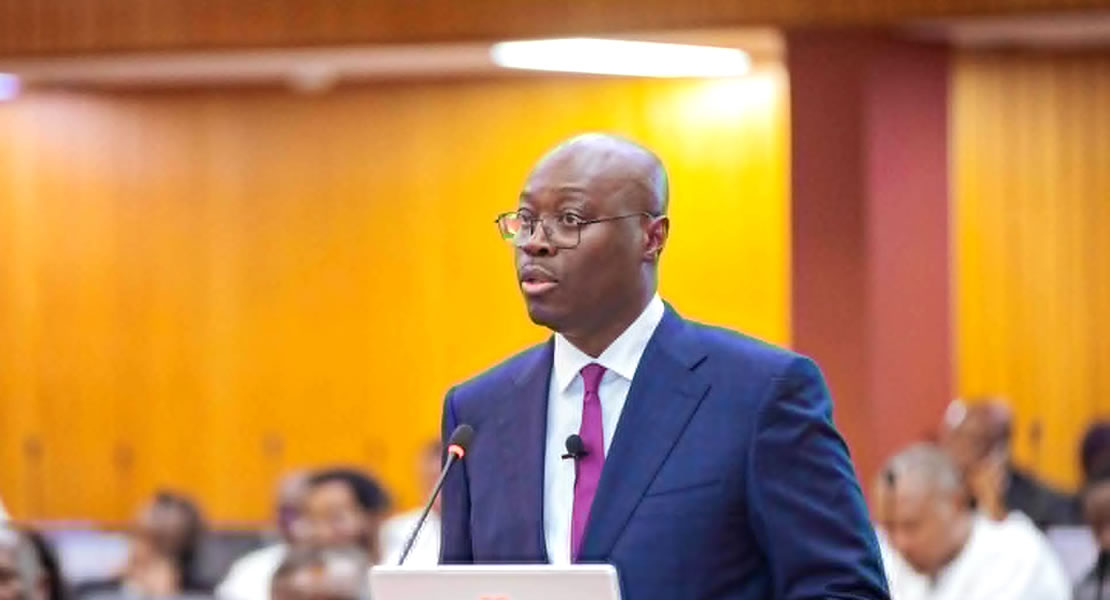
Presenting the 2027 Budget Statement and Fiscal Policy to Parliament on Thursday, November 12, 2026, Dr. Forson outlined the funding architecture for the four-year programme, which is estimated to cost approximately US$2.5 billion (GH¢30 billion) annually.
According to the Minister, the funding strategy is anchored on two main sources, capitalizing on Ghana’s recent fiscal improvements.
The first source is the country’s primary surplus. Dr. Forson revealed that Ghana successfully achieved its 2026 target of a 1.5% primary surplus of GDP. To finance the New Economy, the government will retain 0.5% of GDP from 2027 to 2030, while the remaining 1% of GDP will be allocated to financing the programme.
The second source is enhanced revenue measures. The Minister noted that improved revenue collection has exceeded the 2026 targets, contributing an additional 0.5% of GDP to the national purse.
“Together, these resources are expected to provide the 1.5% of GDP required to finance the programme,” Dr. Forson stated, emphasizing that the initiative is self-financing and designed to reduce the country’s reliance on debt.
The New Economy Programme is a flagship policy of the government aimed at transforming the country’s economic structure. It is expected to focus on key sectors such as agriculture, technology, and infrastructure, with the goal of creating sustainable jobs and driving long-term growth.
By tapping into the dividends of fiscal discipline and improved revenue mobilization, the government aims to implement this massive economic transformation agenda without destabilizing the macroeconomic gains achieved in recent years.
Ghanamps.com