News:
November 12, 2026
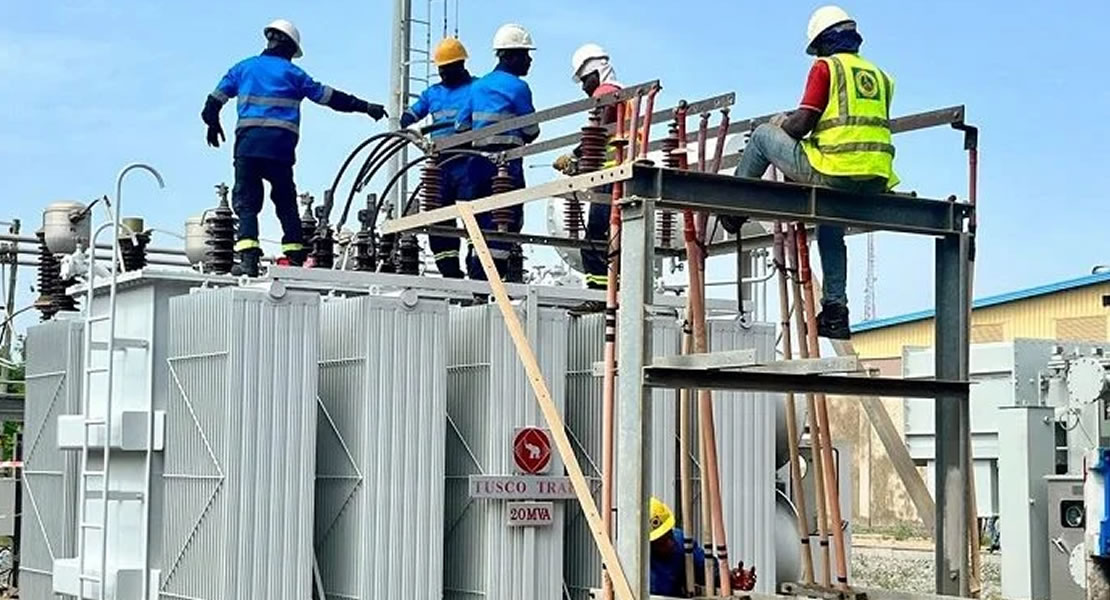
Ghana will end its dependence on costly emergency power by 2030, Finance Minister Dr. Atto Forson has said, announcing that the government will dedicate US$5 million between 2027 and 2030 to modernise the transmission system and cut transmission losses.
Presenting the budget, Dr. Forson said GRIDCo would strengthen the north-south network, connect new generation to demand centres, support sub-regional power trade and provide dedicated high-reliability connections to strategic industrial enclaves.
To reduce distribution losses, two million prepaid meters will be deployed, and performance-based private-sector participation in electricity distribution will be fully implemented by the end of 2027. Strategic public assets will remain protected while private-sector expertise helps reduce distribution losses, he said.
These investments in power generation, grid modernisation and electricity distribution will eliminate the US$1.4 billion in taxpayer money the government is forced to spend each year on the energy-sector shortfall, according to the minister.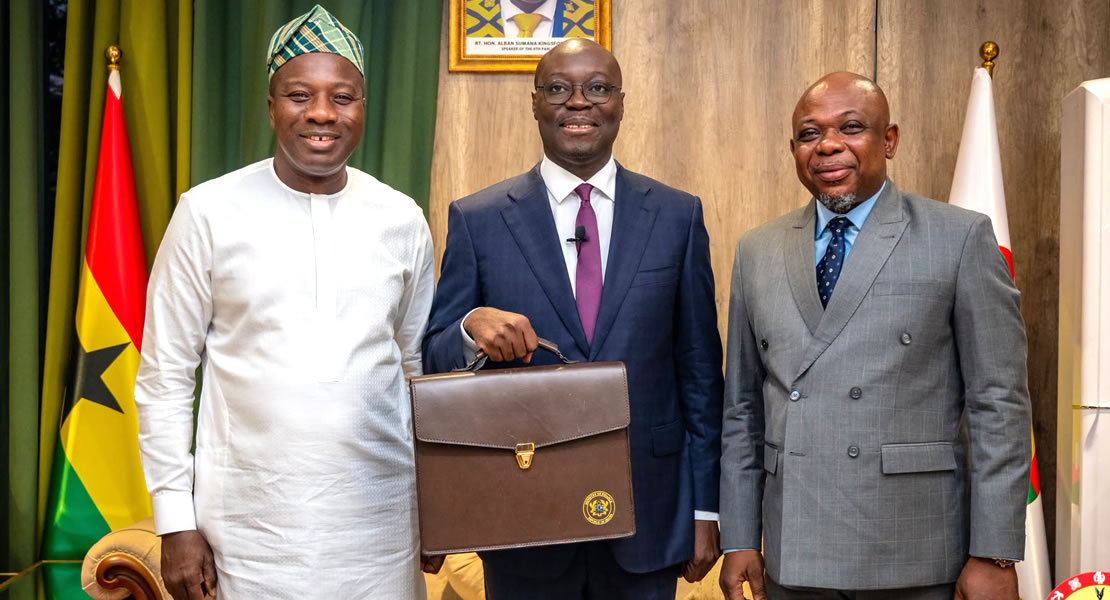
“We will work to reduce the cost of power generation from about 16 US cents per kilowatt-hour to 8 US cents per kilowatt-hour or less. Reducing the cost of generating power will accelerate Ghana’s industrialisation,” he said.
Affordable, reliable electricity will lower production costs, make Ghanaian goods more competitive and give businesses the confidence to invest and expand, he added. That will enable the country to process more raw materials at home, power new factories and create jobs.
“Mr. Speaker, our goal is energy sovereignty. Ghana must have control over the generation and transmission of the electricity that powers our economy through strategic investment in state-owned generation and a stronger national transmission network,” Dr. Forson said.
He noted that Ghana would secure its energy future and put the power to industrialise firmly in the hands of Ghanaians.
He said the government would also begin Ghana’s nuclear future “with caution and purpose,” investing US$200 million in a 24-month nuclear-readiness programme from January 2027 to December 2028.
By December 2028, the target is to complete readiness and sign the engineering, procurement, construction and financing contract for a fully state-owned nuclear baseload power plant.
“Nuclear power readiness in 2028 does not mean nuclear power generation in 2028,” Dr. Forson said. It means site studies, technology selection, environmental assessment, financing, licensing preparations, safeguards, emergency planning and the safety case have reached the standard required for investment and implementation.
He said the nuclear plant would remain a strategic national asset and would not be developed as an independent power producer. International partners would only provide technology, finance, engineering and specialist services. As part of the nuclear-readiness journey, the government will train more than 2,000 scientists to build local expertise for Ghana’s transition to safe and reliable nuclear power.
“Mr. Speaker, over sixty years ago, Osagyefo Dr. Kwame Nkrumah gave his beloved Ghana its first great source of baseload power at Akosombo. He built for generations he would never meet. Today, we owe future generations that same foresight and courage,” Dr. Forson said.
“For years, we have spoken about developing a nuclear power plant. The time has come to turn that ambition into action. We are determined to develop this new source of baseload power, because a nation’s future is secured by what each generation has the courage to build.”
Kwaku Sakyi-Danso/Ghanamps.com