News:
October 9, 2026
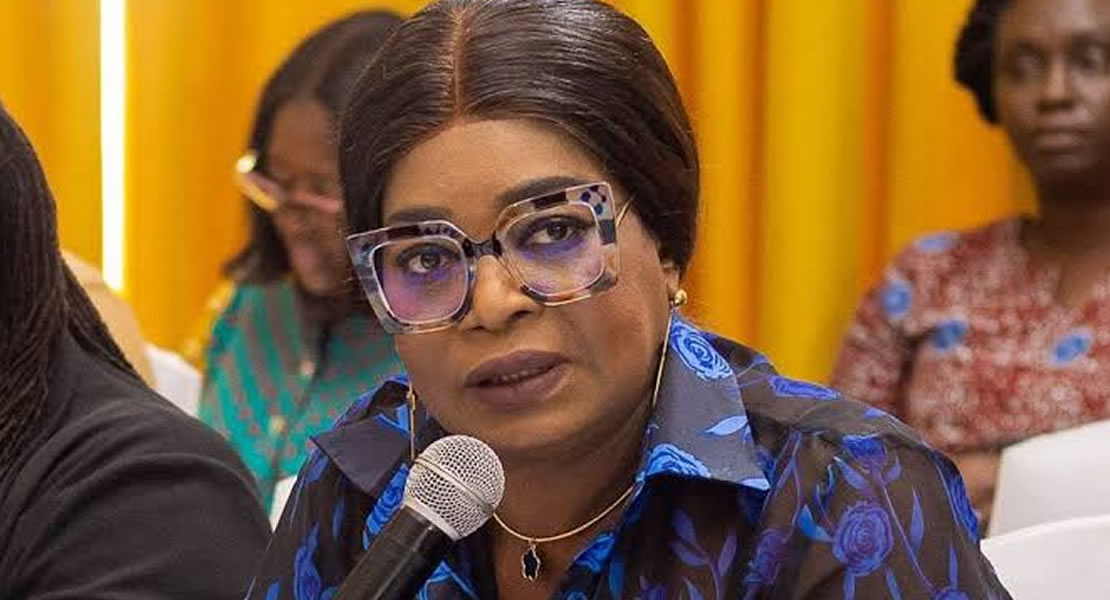
The Chairperson of Parliament’s Local Government and Rural Development Committee, Mrs Queenstar Maame Pokuah Sawyerr, has urged the Central Regional Coordinating Council (CRCC) to engage relevant stakeholders on the demolition and redevelopment of old buildings in Cape Coast.
She said the stakeholders should include chiefs, religious leaders and families who own the old buildings in the Central Regional capital.
According to her, the presence of old and dilapidated buildings, some of which have collapsed, poses security threats to residents and undermines the beauty of the city.
Mrs Sawyerr made the call when the CRCC appeared before the committee yesterday to consider the 2025 Annual Audit Statement of the Metropolitan, Municipal and District Assemblies (MMDAs), referred to the committee by the Speaker of Parliament.
“At least the residency of the regional minister is safer than a lot of the old, muddy buildings in Cape Coast. I am talking about when you are going to the beach. Even there, places where two cars cannot move. And you can see this small building in the middle of the road and it is because it is an old place,” she said.
She stressed the need for the CRCC to develop a strategic plan for modernising Cape Coast through consultations with chiefs, imams, families and other stakeholders.
“A lot of work and thinking has to come into making sure that Cape Coast looks like a modern place. Assuming you meet the chiefs, imams and other stakeholders and you sit with them and show them a plan for the next five years on how Cape Coast will look like, even if they don’t allow you to do something, another person will come and do something. That is how towns and regions and countries are built,” Mrs Sawyerr said.
The Central Regional Minister, Mr Ekow Panyin Okyere Eduamoah, said the Municipal Chief Executive (MCE) of Cape Coast had developed an eight-year development plan for the municipality.
He, however, explained that although some old buildings posed security threats, the CRCC could not, on its own authority, demolish the properties because they were privately owned. Any action against such properties would require appropriate engagement with their owners, he added.
Mr Eduamoah also noted that some government properties were in a deplorable state.
“Indeed we do have government properties that are also in a dangerous state. If you talk about the old post office in Cape Coast and other structures in Cape Coast like the Ministry building, where some state institutions are occupying,” he said.
“So I still restrict myself to that of government because that of private people, you may have to come in and do a lot of engagement. So, if even they are posing security threats, we can only advise as to what is it that can happen to them,” he added.
Ghanamps.com